Turkmenistan is a hidden treasure for nature lovers, offering vast deserts, unique wildlife, and stunning landscapes rarely seen by travelers. From the fiery Darvaza Gas Crater to the serene Kopet Dag mountains, this Central Asian gem boasts diverse ecosystems waiting to be explored.
Adventurers seeking off-the-beaten-path experiences will find Turkmenistan’s untouched beauty truly captivating. Whether you’re a passionate hiker or a curious explorer, the natural wonders here promise unforgettable moments.
Let’s dive deeper and uncover what makes Turkmenistan a must-visit destination for nature enthusiasts. I’ll make sure you get all the details you need!
Exploring Turkmenistan’s Diverse Landscapes
The Enigmatic Karakum Desert
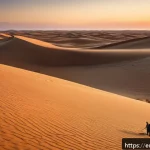
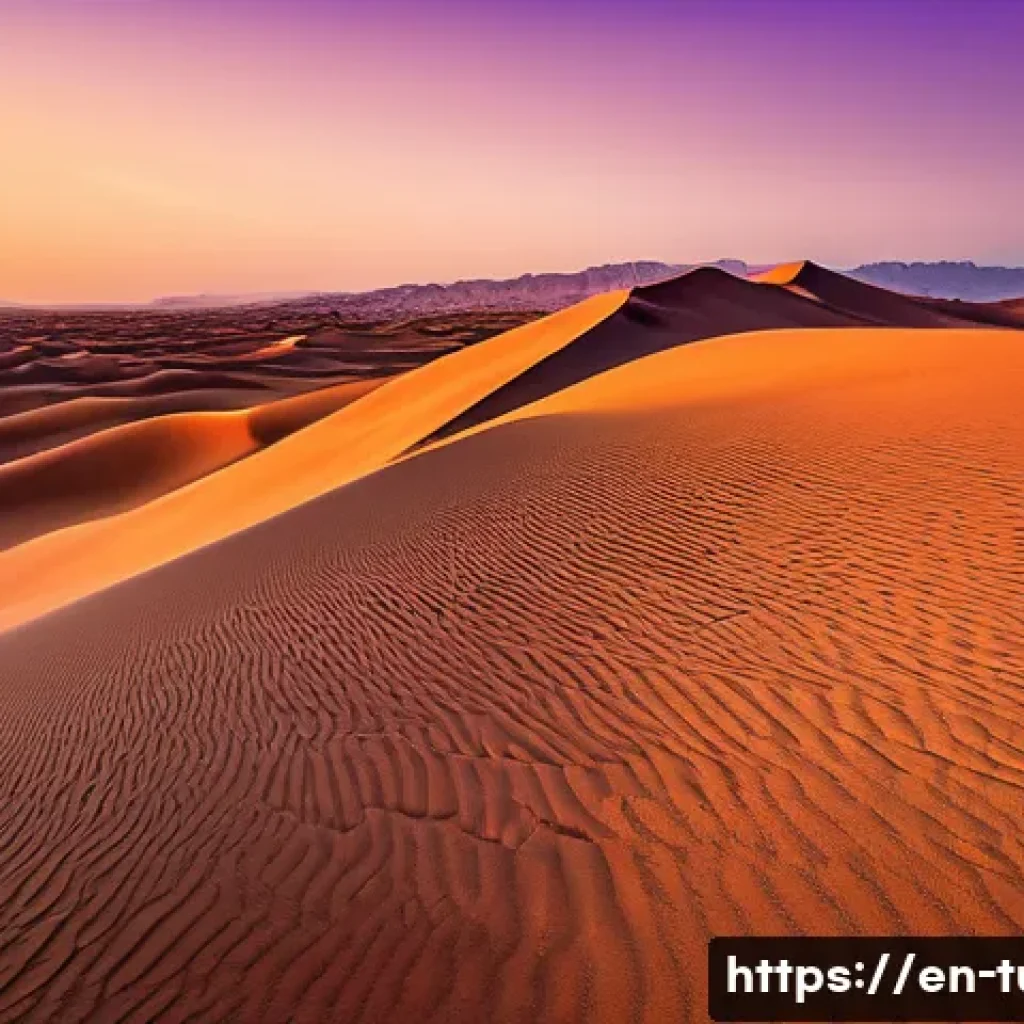
The Karakum Desert stretches across most of Turkmenistan, offering a vast expanse of golden sand dunes and rugged terrain that’s both mesmerizing and humbling.
Traveling through this desert, I was struck by how the seemingly endless arid landscape shifts with the light, creating breathtaking views at dawn and dusk.
Despite the harsh environment, the desert hosts resilient flora and fauna adapted to its conditions, such as desert foxes and rare reptiles. Off-road adventures here demand preparation but reward visitors with a unique sense of solitude and connection to nature few places can match.
Kopet Dag Mountains: The Quiet Giants
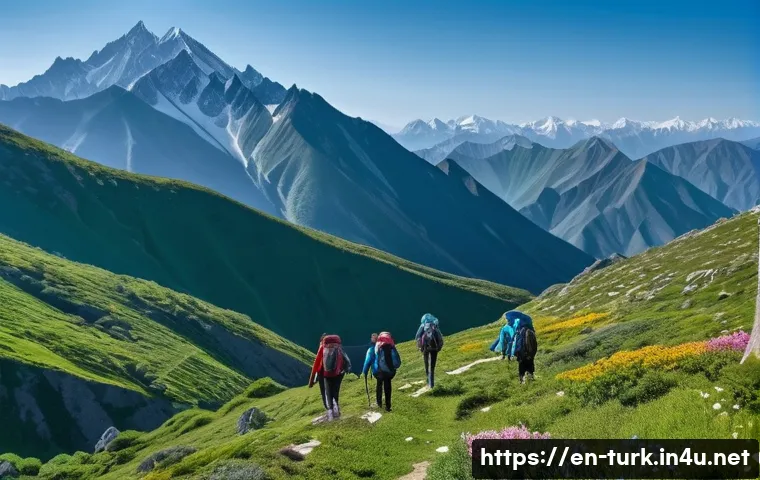
Nestled along the southwestern border, the Kopet Dag mountain range provides a stark contrast to the desert’s flatness. Hiking these mountains, I discovered lush valleys, hidden springs, and a surprising biodiversity.
The rugged peaks rise dramatically, offering panoramic views that stretch into Iran and beyond. The terrain varies from rocky cliffs to forested slopes, making it a paradise for trekkers and bird watchers alike.
Local guides often share fascinating stories about the region’s geology and history, enriching the hiking experience with cultural insights.
Oasis of Life: The Garagum Canal Region
One of the world’s largest irrigation projects, the Garagum Canal breathes life into parts of Turkmenistan’s arid interior. Traveling along this canal, it was fascinating to see how the water transforms the landscape, supporting agriculture and wildlife in an otherwise dry region.
Date palms, cotton fields, and small villages dot the canal’s path, showcasing human resilience and ingenuity. For nature lovers, the canal corridor offers unique birdwatching opportunities, especially during migration seasons when diverse species stop to rest.
Wildlife Encounters in Remote Corners
Rare and Endemic Species
Turkmenistan’s isolation has preserved some fascinating wildlife species that are rare or endemic to the region. One of my most memorable encounters was spotting the elusive goitered gazelle in the desert plains, a graceful animal perfectly camouflaged against the sand.
The Kopet Dag region is also home to the Persian leopard, though sightings are extremely rare. Bird enthusiasts will appreciate the diversity of raptors and migratory birds, including the majestic saker falcon, which is highly prized in falconry traditions here.
Conservation Efforts and Challenges
While Turkmenistan’s wild areas remain relatively untouched, conservation efforts are critical to protecting its fragile ecosystems. Local authorities have established several nature reserves, such as the Repetek Biosphere Reserve, to safeguard endangered species and habitats.
Visiting these protected areas, I noticed how the balance between development and preservation is carefully managed, though challenges like illegal hunting and habitat loss persist.
Engaging with conservationists revealed ongoing projects aimed at education and sustainable tourism to ensure these natural treasures endure.
Best Seasons for Wildlife Viewing
Timing your visit is key to maximizing wildlife encounters. Spring and autumn offer the best weather and activity levels, with animals more visible during these cooler periods.
The migration of birds peaks in late March and early October, making these months prime for birdwatchers. Summers can be scorching in the desert but still rewarding for observing nocturnal species.
Winters are cold but bring a different charm with snow-capped mountains and fewer tourists, offering a more intimate connection with nature.
Experiencing Turkmenistan’s Unique Natural Phenomena
The Fiery Wonder of Darvaza Gas Crater
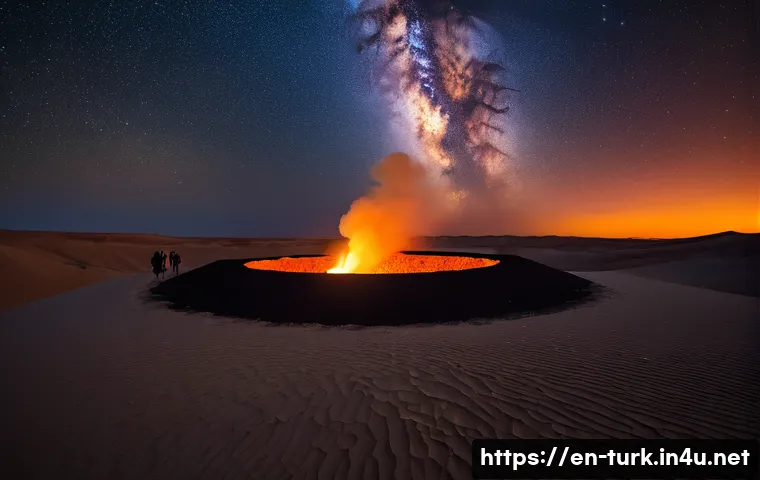
Known as the “Door to Hell,” the Darvaza Gas Crater is an unforgettable natural phenomenon. I remember arriving at night and being mesmerized by the orange flames licking the edges of the crater, illuminating the desert like a giant campfire.
This burning gas field has been alight for decades, creating an eerie yet captivating spectacle. Camping nearby allowed me to experience the vast silence of the desert punctuated only by the crackling fire, a surreal moment that stays with you long after leaving.
Salt Flats and Seasonal Lakes
Scattered across Turkmenistan are salt flats and ephemeral lakes that transform dramatically with the seasons. The saline deserts shimmer under the sun, creating otherworldly landscapes that photographers dream about.
During wetter months, some dry basins fill with water, attracting flocks of flamingos and other water birds. Exploring these areas, I found the interplay between water and salt created fascinating textures and colors, a reminder of nature’s ever-changing canvas.
Geological Wonders Beyond the Surface
Beneath Turkmenistan’s surface lies a rich geological story. From ancient rock formations in the mountains to fossilized remains found in the desert, the land offers clues to Earth’s distant past.
On a guided geology tour, I was fascinated by the layers of sediment and volcanic activity that shaped the region. These geological features not only define the landscape’s character but also influence soil types and vegetation patterns, connecting the dots between earth science and natural beauty.
Immersive Outdoor Activities for Nature Enthusiasts
Hiking and Trekking Routes
For those who crave active exploration, Turkmenistan offers a variety of hiking trails ranging from gentle walks to challenging mountain ascents. The Kopet Dag mountains are particularly popular for multi-day treks, where you can camp under star-filled skies and explore remote villages.
I found that hiring local guides enriched the experience, as they shared knowledge about flora, fauna, and local legends. The trails often reveal hidden waterfalls, ancient ruins, and panoramic viewpoints that make every step rewarding.
Desert Camping and Stargazing
Camping in the desert is an experience like no other, combining tranquility with a profound connection to the cosmos. On a recent trip, I set up camp near the Karakum Desert’s edge and was amazed by the clarity of the night sky.
The Milky Way stretched overhead, uninterrupted by city lights, and shooting stars added to the magic. This peaceful isolation allows for deep reflection and appreciation of the natural world.
Many tour operators now offer organized desert camping tours with comfortable accommodations and traditional meals, making it accessible even for first-timers.
Birdwatching Hotspots
Turkmenistan is a hidden gem for birdwatchers, thanks to its position on major migratory routes. Wetlands near the Caspian Sea and the Garagum Canal are hotspots where you can spot rare species such as the white-tailed eagle and the Dalmatian pelican.
I joined a birdwatching group during spring migration and was thrilled by the variety and abundance of birds. Patience and a good pair of binoculars pay off here, as many species are shy but well worth the wait.
Flora and Botanical Diversity in Arid Climates
Desert Plants and Their Adaptations
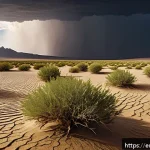
The harsh desert environment demands extraordinary adaptations from its plant life. While traveling through Turkmenistan’s deserts, I observed hardy shrubs like saxaul trees, which play a crucial role in stabilizing sand dunes and providing shelter for wildlife.
Succulents and drought-resistant grasses are scattered throughout, each with unique survival strategies such as deep roots or waxy coatings to minimize water loss.
These plants form an interconnected web of life that sustains desert ecosystems despite extreme conditions.
Mountainous Vegetation Zones
In the Kopet Dag mountains, vegetation changes dramatically with elevation. Lower slopes are dominated by scrub and hardy bushes, while higher altitudes support juniper forests and wildflowers during spring.
This vertical zonation creates diverse habitats within a relatively small area, attracting a wide range of animals. Exploring these zones, I noticed the vibrant colors and scents of blooming plants, which contrast beautifully with the stark rocky surroundings.
Medicinal and Cultural Uses of Native Plants
Many native plants hold cultural significance and traditional medicinal uses for local communities. For instance, the resin from certain desert shrubs is collected for incense and healing purposes.
During a village visit, I learned how herbal remedies made from local flora are still widely used alongside modern medicine. This blend of natural knowledge and cultural heritage highlights the deep connection between people and their environment in Turkmenistan.
Essential Tips for Nature Explorers Visiting Turkmenistan
Best Times to Visit for Nature Activities
Planning your trip around the seasons is crucial for comfort and safety. Spring (April to June) and autumn (September to November) offer mild temperatures ideal for hiking and wildlife spotting.
Summers can be extremely hot, especially in the desert, making outdoor activities challenging during midday. Winter months bring cold weather and occasional snow in the mountains, providing a different but rewarding experience for those prepared.
Preparing for Remote Adventures
Given Turkmenistan’s vast and often isolated landscapes, preparation is key. I always recommend carrying ample water, sun protection, and navigation tools when venturing into remote areas.
Hiring local guides not only enhances safety but also enriches your understanding of the region. Communication can be limited, so informing someone about your itinerary is a wise precaution.
Also, be mindful of local customs and environmental regulations to ensure respectful and sustainable travel.
Accommodation and Local Hospitality
While nature adventures often take you far from cities, Turkmenistan offers surprisingly comfortable accommodation options ranging from yurts to guesthouses.
Staying in local villages provides a glimpse into traditional lifestyles and warm hospitality. I found that hosts are eager to share their culture and cuisine, adding a memorable human connection to the natural experience.
Booking in advance is advisable, especially during peak travel seasons, to secure the best spots.
| Natural Feature | Location | Best Time to Visit | Activities | Unique Highlights |
|---|---|---|---|---|
| Karakum Desert | Central Turkmenistan | Spring, Autumn | Desert trekking, camping | Expansive dunes, desert wildlife |
| Kopet Dag Mountains | Southwest border | Spring, Autumn, Winter | Hiking, birdwatching | Mountain vistas, endemic species |
| Darvaza Gas Crater | Near Derweze village | Year-round (best at night) | Camping, photography | Burning natural gas crater |
| Garagum Canal | Across desert regions | Spring, Autumn | Birdwatching, cultural tours | Irrigation lifeline, oasis habitats |
| Repetek Biosphere Reserve | East Turkmenistan | Spring, Autumn | Wildlife observation, research | Protected desert ecosystem |
Conclusion
Turkmenistan’s diverse landscapes offer a captivating blend of natural wonders, from vast deserts to rugged mountains and vibrant oases. Exploring these unique environments reveals not only breathtaking scenery but also the rich biodiversity and cultural heritage woven into the land. Whether you seek adventure, wildlife encounters, or moments of peaceful reflection, Turkmenistan provides an unforgettable experience that resonates long after your journey ends.
Useful Information to Know
1. The best times to explore Turkmenistan’s nature are during spring and autumn when temperatures are mild and wildlife is most active.
2. Hiring local guides enhances safety and enriches your understanding of the landscapes, culture, and hidden gems.
3. Carry sufficient water, sun protection, and navigation tools when venturing into remote desert or mountain areas.
4. Accommodation options vary from traditional yurts to guesthouses, with many offering authentic cultural experiences.
5. Respect local customs and environmental regulations to ensure sustainable and responsible travel throughout your visit.
Key Takeaways for Travelers
Understanding Turkmenistan’s climate and terrain is essential for a safe and enjoyable adventure. Prioritize visiting during favorable seasons to maximize wildlife sightings and comfort. Preparation for remote travel, including packing essentials and arranging reliable guides, can make all the difference. Embracing local hospitality adds depth to your journey, fostering meaningful connections with the people and the land. Lastly, practicing responsible tourism helps protect this remarkable destination for future explorers to enjoy.
Frequently Asked Questions (FAQ) 📖
Q: What is the best time of year to visit Turkmenistan for nature exploration?
A: The ideal time to explore Turkmenistan’s natural wonders is during spring (March to May) and autumn (September to November). During these months, the weather is pleasantly mild, making hikes in the Kopet Dag mountains comfortable and desert treks around the Darvaza Gas Crater more enjoyable.
Summers can be extremely hot, especially in the desert areas, while winters tend to be cold and sometimes snowy in the mountains. Planning your visit in spring or autumn ensures you can fully appreciate the landscapes without weather-related discomfort.
Q: How accessible are Turkmenistan’s natural attractions for tourists?
A: While Turkmenistan is not yet a mainstream tourist destination, many natural sites are accessible with some planning. The Darvaza Gas Crater, for example, is reachable by a guided tour or a 4×4 vehicle from Ashgabat or nearby towns.
The Kopet Dag mountains have trails suitable for experienced hikers, but local guides are recommended for safety and navigation. Keep in mind that travel permits and visas are required, and infrastructure can be limited, so working with a local tour operator can greatly enhance your experience and ease logistics.
Q: What unique wildlife can I expect to see in Turkmenistan’s natural areas?
A: Turkmenistan’s diverse ecosystems host some fascinating wildlife. In the deserts, you might spot the goitered gazelle or the elusive desert monitor lizard.
The Kopet Dag mountains provide habitat for species like the Persian leopard, wild goats, and various birds of prey such as eagles and vultures. Birdwatchers will appreciate the mix of steppe and mountain species, especially during migration seasons.
While wildlife sightings can be rare due to the remoteness, the thrill of encountering these creatures in their natural habitat is a major draw for nature enthusiasts.