Have you ever dreamt of a wedding that transcends the ordinary, a celebration steeped in centuries of vibrant history and breathtaking rituals? I know I have!
When I first stumbled upon the intricate world of traditional Turkmen weddings, I was absolutely captivated. It’s not just a ceremony; it’s a magnificent journey woven with rich symbolism, dazzling attire, and heartfelt customs that truly bring communities together.
These aren’t just old tales; these traditions are very much alive, celebrated with incredible passion even in our modern world, offering a powerful glimpse into a unique cultural identity.
Join me as we explore this enchanting world and uncover all its fascinating details!
The Journey Begins: Whispers of Commitment

Family’s Embrace: The Art of Matchmaking and Negotiation
Oh, let me tell you, when I first heard about how Turkmen weddings often start, it truly opened my eyes to the deep value placed on family and community.
It’s not just two people deciding to get married; it’s a beautiful, intricate dance between families, especially the parents, who play such a pivotal role in finding that perfect match.
I mean, in our fast-paced Western world, we sometimes forget the wisdom of generations past, but here, it’s alive and well. The groom’s family, full of hope and anticipation, will visit the bride’s home, sometimes not just once, but several times, gently yet persistently making their intentions known.
It’s about building a foundation of respect and understanding long before the “I do’s.” During these initial talks, you’ll see sweets and cakes exchanged, a lovely, simple gesture symbolizing the sweet relations they hope to build together.
And then there’s the ‘kalym,’ or bride price. I know, to some, this might sound a bit old-fashioned, but it’s still very much a part of the tradition, seeing a resurgence even today.
It’s often viewed as a way to compensate the bride’s family for raising her and, quite practically, it can provide a financial foundation for the new couple.
It’s even credited by some for Turkmenistan’s remarkably low divorce rates, creating a sense of serious commitment from the outset. It’s a profound testament to the thought and care put into securing a stable future for the newlyweds.
A Daughter’s Craft: The Heartfelt Dowry
As someone who loves personal touches, the Turkmen tradition of a bride’s dowry absolutely fascinates me. It’s not just a collection of items; it’s a lifetime in the making!
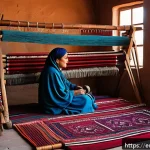
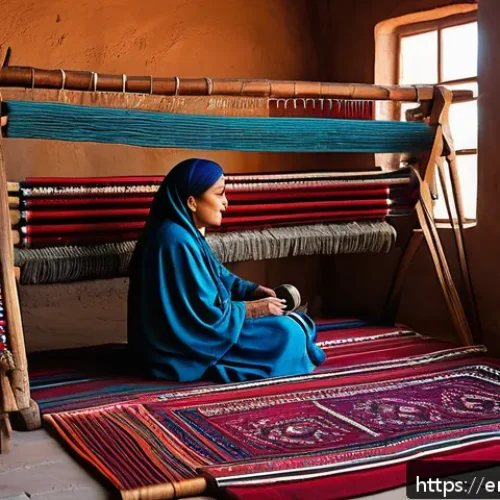
Girls, from a very young age, often begin preparing their ‘trousseau,’ weaving their first carpets and accumulating everything they’ll need for their new home.
Imagine the hours, the dedication, the love woven into every stitch and knot! When I think about it, I get goosebumps – it’s a tangible representation of her skills, her family’s generosity, and her future status.
The dowry typically includes an incredible array of textiles, like those famed Turkmen carpets, along with practical household goods, gleaming jewelry, and a complete wardrobe.
It’s all meticulously gathered and, quite ceremoniously, sent to the groom’s house about nine days before the wedding. I picture the procession, full of excited family members, carrying these precious items.
It’s a powerful visual, showcasing not just wealth, but the bride’s readiness to build a new life, fully equipped with the blessings and hard work of her family.
It’s a tradition that speaks volumes about heritage and the enduring connection between generations.
A Tapestry of Textiles: The Bride’s Exquisite Attire
Adorned in Red: Splendor and Symbolism
Stepping into a Turkmen wedding is like being transported into a living work of art, and the bridal attire? Absolutely breathtaking! I mean, I’ve seen my share of stunning wedding dresses, but the traditional Turkmen bridal gown, usually a vibrant red, is in a league of its own.
It’s not just a dress; it’s a shield, a blessing, and a statement all rolled into one. Made from exquisite homespun silk fabric, often called ‘ketene,’ it’s a masterpiece of rich ornamentation, frequently studded with intricate silver jewels and boasting a beautifully embroidered collar.
Every single element, from the deep red hue to the glimmering embellishments, serves a purpose. It’s believed to offer protection, purify the bride, and powerfully ward off the dreaded “evil eye.” It’s such a thoughtful and intricate way to ensure her well-being as she embarks on this new chapter.
What truly blew my mind is that these dresses are often painstakingly sewn by relatives on specific “lucky” days, and any leftover fabric scraps are carefully collected as talismans for good fortune.
It speaks volumes about the collective effort and heartfelt wishes poured into this single, most important garment.
Whispers of Protection: Headwear and Charms
The bridal ensemble goes far beyond the dress, extending to the most captivating headwear and a host of protective charms. It’s clear that every detail is steeped in ancient beliefs and heartfelt hopes for the bride’s future.
I remember seeing a bride, her face gently veiled, and thinking how ethereal she looked, almost otherworldly. She wears a special head covering cape, often adorned with a fascinating array of amulets.
These aren’t just decorative; they’re believed to hold protective powers. Imagine, little silver pendants that gently tinkle with her every step – it’s not just melodious, but purposefully designed to drive away evil spirits!
You might find tiny threads of camel wool, a pig’s tooth, various silver plates, and beads with “eyes” sewn onto her attire, all acting as guardians. Some capes even have a small, triangular pouch filled with coal and salt, as salt is widely believed to possess guarding properties.
And that veil ceremony? It’s profoundly symbolic, signifying purity and modesty as she transitions into married life. It’s this meticulous layering of symbolism and beauty that truly sets a Turkmen bride apart; every piece tells a story, a wish, a prayer for her happiness and protection.
Feasting, Festivities, and Future Hopes
The Grand Toý: A Feast for Hundreds
If you ever get the chance to attend a Turkmen wedding, prepare yourself for a feast that is truly an experience of a lifetime – they call it the ‘toý,’ and it’s nothing short of spectacular!
I’m talking about a gathering that often hosts anywhere from 300 to a thousand guests, sometimes even more! It’s a joyous explosion of community and celebration, usually hosted by the groom’s parents, and believe me, they spare no expense.
The air is thick with the tantalizing aromas of traditional Turkmen dishes. My personal favorites are the hearty Shorba, a delicious sheep meat soup that warms you from the inside out, and the incredibly flavorful Plov, a rich mutton pilaw that I could eat endlessly.
But it’s not just about the food; the atmosphere crackles with energy! There’s lively music played on traditional instruments like the dutar and gopuz, filling the space with soulful melodies and rhythmic beats.
And the dancing? Oh, the dancing! Guests swirl and sway to traditional folk dances like the Lezgi, ellik, and semah, all symbolizing unity, joy, and the communal participation in this momentous occasion.
It’s impossible not to get swept up in the infectious happiness. After all the feasting and merriment, guests present thoughtful gifts to the newlyweds, often practical items for their new home or money to help them start their journey together.
It’s a beautiful cycle of generosity and well wishes.
Symbolic Acts for Prosperity: Blessings and Fertility
Beyond the grandeur of the feast, many small yet incredibly meaningful rituals unfold, all aimed at showering the new couple with blessings and ensuring a prosperous future, especially when it comes to family.
I found it so touching how every action seems to carry a wish. For instance, when the bride first enters her new home, she’s encouraged to step in with her right foot – a simple gesture believed to bring good luck.
Then, in a moment that speaks volumes about her future role, her hands are often dipped in flour and oil, symbolizing her becoming a good and compliant housewife.
There’s also the “bet achar” ceremony, where the groom’s parents are finally allowed to lift the veil and see the bride’s face, often presenting her with gifts for this special look.
And for those eager to expand their family, a particularly sweet tradition involves placing one of the smallest children from the household on the bride’s lap, while other children receive gifts from her.
This is a heartfelt wish for the couple to have children soon. I also learned about ‘alchiks,’ the heel bones of a sheep, sometimes sewn into the corners of the bride’s blanket from her dowry – a specific prayer for the firstborn to be a boy.
These rituals, whether subtle or grand, are all about weaving a future filled with happiness, health, and many joyful additions to the family.
Ceremonial Journeys and Playful Obstacles
The Groom’s Arrival: A Joyful “Ransom”
The wedding day itself is full of memorable moments, and one that always brings a smile to my face is the groom’s arrival at the bride’s house. It’s not just a simple pick-up; it’s a whole event, filled with spirited fun and good-natured teasing!
The groom, accompanied by his enthusiastic family and friends, approaches the bride’s home, only to find his path playfully blocked by a group of women.
They’re not letting him in without a little “negotiation,” which often involves a symbolic “ransom” payment. I remember witnessing this once, and the laughter and friendly banter were absolutely infectious!
It’s this wonderful blend of humor and tradition, symbolizing the challenges that a couple might face but ultimately overcome together. Amidst all this playful resistance, you’ll often see the bride herself performing the ceremonial crying.
To some, it might seem sad, but it’s a deeply respectful gesture, a sign of her gratitude and farewell to the family she’s leaving behind. It’s a moment charged with emotion, a bittersweet goodbye before embracing her new life.
The Grand Procession: From Camel to Car
Once the groom has successfully navigated the joyful obstacles, it’s time for the wedding procession, and this, my friends, is a sight to behold! In times past, and in some remote areas still today, the bride would embark on her journey to her new home atop a beautifully adorned camel, nestled in a vibrant, colored palanquin.
Can you just imagine that scene? A caravan rich in colors, bells jingling, women in magnificent costumes following along. It must have been truly magical!
While the romance of the camel caravan is a cherished memory, today you’re more likely to see a dazzling motorcade of cars, all elaborately decorated with colorful scarves, ribbons, and even toys.
The lead car, carrying the newlyweds, is often the most brightly adorned, sometimes draped in red or gold fabric, shimmering with sewn-on metal plaques.
It’s a modern twist on an ancient tradition, still bursting with visual splendor. The bride, heavily dressed and often veiled, is encouraged to take small, slow steps – a symbolic gesture marking her transformation from a young girl to a mature woman, ready to embrace her new role.
Every detail of this journey, whether by camel or car, is a vibrant celebration of the union and a colorful spectacle for the entire community.
The Sacred Vows and Community Bonds
Uniting Souls: Civil and Religious Ceremonies
At the heart of every Turkmen wedding lies the profound moment when two individuals are officially joined, both legally and spiritually. It’s a beautiful blend of the modern and the ancient, truly reflecting the soul of the culture.
While the grand festivities might grab all the headlines, the civil ceremony ensures that their union is recognized by the state, providing a crucial legal framework for their new life together.
But for many, the ‘nikka,’ the traditional Muslim wedding ceremony, is where the spiritual bonds are truly forged. I’ve learned that this ceremony is often a more private affair, overseen by a mullah and attended by a few close witnesses or family members.
It’s a solemn, heartfelt exchange where the mullah asks both the groom and the bride if they accept each other as husband and wife. The bride, with a demure and soft voice, confirms her consent, making the moment incredibly poignant.
It’s a quiet contrast to the vibrant celebrations, but it’s in these moments of deep spiritual commitment that the true essence of their union is realized.
This dual approach ensures that the couple is well-grounded in both community and faith as they begin their journey.
The ‘Bashsalma’: A Symbolic Transition

One of the most visually captivating and emotionally charged rituals I’ve learned about is the ‘bashsalma,’ a pivotal moment that truly marks the bride’s transition from maiden to married woman.
It’s not just a simple change of attire; it’s a ceremonial declaration of her new status, steeped in rich symbolism. During this ritual, her maiden headdress, often a ‘takhya’ (a beautiful skullcap), is carefully removed.
What replaces it is a large, colorful scarf, often tied in a particular way, unmistakably signaling her new role as a married woman. It’s a moment that sometimes involves a playful, symbolic “scramble” or “fight” between the bride’s friends and the married women, with the friends playfully attempting to “protect” her from marriage, only to be inevitably overcome by the women who welcome her into their fold.
This lighthearted struggle adds such a wonderful dynamic to the ceremony! The ‘takhya’ itself isn’t discarded; it’s often passed to the groom’s youngest sister, accompanied by a heartfelt wish for her to have her own wedding soon.
It’s a tradition that beautifully embodies continuity, hope, and the passing of blessings from one generation to the next.
The Grand Finale and Lasting Impressions
Community Dances and Souvenirs of Joy
As the celebrations continue into the evening, the energy in a Turkmen wedding often reaches a fever pitch with music and dancing becoming the undeniable heart of the party.
The vibrant melodies from instruments like the dutar fill the air, prompting everyone, young and old, to join in. I absolutely love how inclusive these dances are; both men and women participate in lively group dances, creating a wonderful sense of unity and shared joy.
It’s not just about watching; it’s about being a part of something truly communal and unforgettable. During these spirited dances, it’s a cherished custom for dancing guests to distribute small souvenirs – things like handkerchiefs, napkins, towels, or little bags of sweets.
Imagine the delightful chaos and excitement as these tokens of celebration are shared amongst the crowd! It’s a beautiful way for the newlyweds and their families to extend their gratitude and joy to everyone who has come to celebrate with them.
Even with all this scope and revelry, the wedding feast usually winds down before midnight, and interestingly, the newlyweds often leave before their guests.
It’s a subtle signal of their new private journey together, even as the community continues to revel in their union.
Post-Wedding Traditions: Weaving a New Life
The Turkmen wedding doesn’t simply end with the final dance; it seamlessly transitions into a series of meaningful post-wedding traditions that help cement the new couple’s place in the community and their new home.
Once the newlyweds return to the groom’s house, they often change back into traditional national costumes, especially the bride, whose headdress is permanently replaced with that of a married woman.
I remember hearing about the ‘bet achar’ ceremony again, where the groom’s parents offer gifts for the privilege of seeing her face. Another touching custom involves placing a small child on the bride’s lap, a symbolic wish for abundant offspring, particularly sons.
What truly struck me as unique were the beliefs surrounding the bride’s movements in the initial days of her marriage. She’s traditionally advised not to walk on spots marked by the blood of butchered animals, pass dirty water or cinder, or go beneath certain trees, and even to avoid visiting funerals.
These customs are all rooted in protecting her and ensuring a blessed start to her new life. In some areas, the day after the nuptial night, the new husband might even be ritually washed in a stream by his friends – a purification and welcoming into his new status.
These aren’t just old tales; they’re living threads that continue to weave the fabric of Turkmen identity, ensuring that the essence of their heritage thrives.
Tradition Meets Today: A Modern Blend
Echoes of the Past: Enduring Customs
It’s truly remarkable how many of these ancient traditions have managed to stand the test of time, continuing to define Turkmen weddings even in our rapidly changing world.
While some of the more archaic meanings might have softened over the years, the core spirit remains vibrantly alive. I’ve seen firsthand how the emphasis on family, the strength of community bonds, and the fierce pride in cultural identity still shine through every aspect of these celebrations.
Turkmen weddings often stretch over several days, transforming the entire affair into a truly immersive festival of culture and camaraderie. This extended celebration provides ample time for relatives, some traveling from distant towns and villages, to reunite, share stories, and simply strengthen the ties that bind them.
Both civil and religious ceremonies often coexist harmoniously, acknowledging both modern legal requirements and profound spiritual beliefs. It’s this deep respect for their heritage, for the customs passed down through generations, that truly sets a Turkmen wedding apart.
They are not just ceremonies; they are powerful affirmations of who they are, where they come from, and the values they cherish.
Contemporary Flourishes: Western Influences
While the roots run deep in tradition, it’s also fascinating to see how Turkmen weddings have gracefully embraced certain contemporary flourishes, creating a truly unique blend of old and new.
In larger cities, especially places like Ashgabat, you’ll find that many of the evening wedding banquets now take place in lavish restaurants or grand banquet halls, often styled with a distinctly European flair.
I’ve witnessed couples, after their traditional ceremonies, change into classic Western attire – the groom in a sharp black tuxedo and the bride dazzling in a white dress and veil.
It’s a beautiful juxtaposition, a nod to global trends while holding onto their rich heritage. You’ll also see elements that are quite familiar to a Western eye, like the cutting of a magnificent wedding cake.
This is often a newer ceremony, symbolizing respect for parents as the newlyweds share the first pieces with them before offering it to guests. And as the music pulses and guests dance with abandon, it’s now customary to distribute small souvenirs – things like handkerchiefs, napkins, or bags of sweets – adding another layer of festive interaction.
It’s clear that Turkmen weddings are dynamic, evolving celebrations, expertly weaving the threads of antiquity with the vibrant colors of modern life.
| Symbolic Element | Traditional Meaning | Role in Wedding |
|---|---|---|
| Red Wedding Dress | Protection, warding off evil eye, good fortune, purity | Main bridal attire, adorned with amulets and jewels. |
| Kalym (Bride Price) | Compensation for bride’s family, financial foundation for couple, promotes marital stability. | Negotiated pre-wedding payment from groom’s family to bride’s. |
| Dowry (Trousseau) | Bride’s family’s generosity, resources for the new household, bride’s domestic skills. | Prepared by bride since childhood, sent to groom’s house before wedding. |
| Henna (Kina Günü) | Happiness, good luck, beauty, fertility for the bride. | Applied to bride’s hands and feet in intricate patterns days before wedding. |
| Takhya (Maiden Headdress) | Symbol of maidenhood and virginity. | Replaced by a large colorful scarf during the ‘bashsalma’ ceremony, passed to groom’s youngest sister. |
An Unforgettable Celebration: Personal Reflections
A Journey of Heart and Heritage
Experiencing a Turkmen wedding, whether in person or through delving into its intricate details, has been an absolute revelation for me. It’s more than just a series of events; it’s a living, breathing narrative of a people’s history, values, and hopes for the future.
What truly resonates with me is the profound sense of community that permeates every aspect, from the matchmaking negotiations to the grand feasts. I’ve always believed that a wedding should be a celebration not just of two individuals, but of two families uniting, and Turkmen weddings embody this principle with such grace and fervor.
It’s not about extravagant displays for their own sake, but about honoring deep-seated traditions that have sustained generations. I truly felt the weight of history and the joy of continuity in every description of the customs – the tears of respect, the protective amulets, the vibrant red dresses, and the symbolic journeys.
These traditions offer a powerful glimpse into a culture that holds firm to its identity, even while gracefully adapting to the modern world. It makes me feel incredibly privileged to share these stories, knowing they offer such a rich understanding of human connection and enduring heritage.
What I’ve Learned and Loved
Diving into the world of Turkmen weddings has taught me so much, not just about a specific culture, but about the universal human desire for love, family, and belonging.
What I genuinely loved was seeing how every single ritual, no matter how small, carried such a deep symbolic meaning, often revolving around wishes for prosperity, protection, and fertility.
It’s not just a show; it’s a prayer for the couple’s future, an entire community pouring its collective good wishes into their new life. The way the bride’s dowry is lovingly prepared over years, the playful ‘ransom’ at her doorstep, the transition from a maiden’s headdress to a married woman’s scarf – these aren’t just customs; they’re emotional touchstones that bind individuals to their past and launch them into their future.
I find myself continually charmed by the unique blend of solemnity and unrestrained joy. The grand feasts, the lively music, the vibrant dances – it all creates an atmosphere of pure, unadulterated happiness.
For anyone looking for a wedding experience that goes beyond the ordinary, something steeped in history and brimming with heartfelt emotion, a Turkmen wedding offers an enchanting blueprint.
It’s an inspiring reminder that tradition, when celebrated with passion and purpose, can be the most beautiful form of innovation.
Wrapping Up Our Turkmen Wedding Journey
And just like that, we’ve journeyed through the enchanting world of Turkmen weddings, a vibrant tapestry woven with deep-rooted traditions, heartfelt family bonds, and an unshakeable sense of community. I truly hope this glimpse into their celebrations has been as eye-opening for you as it has been for me. It’s a beautiful reminder that while cultures might express love and commitment in unique ways, the underlying sentiments of hope, joy, and the desire for a prosperous future are truly universal. Witnessing how these customs continue to thrive, even as modern influences weave their way in, is incredibly inspiring.
Handy Tips and Insights for the Curious
1. Respect for Tradition is Paramount: When engaging with Turkmen culture, especially concerning weddings, remember that every ritual, no matter how small, carries profound historical and symbolic weight. Approach with an open mind and a deep respect for their heritage; it genuinely opens doors to richer understanding, showing immense appreciation for their customs.
2. Family is the Foundation: Turkmen weddings are fundamentally about the union of two families, not just two individuals. Understanding the intricate roles played by parents, elders, and extended relatives will give you a much clearer picture of the ceremonies and negotiations involved. It’s a collective journey where every family member plays a crucial part in blessing the new couple.
3. Symbolism in Every Stitch and Step: From the deep red of the bridal dress to the smallest amulets sewn onto headwear, every detail in a Turkmen wedding is steeped in meaning—often for protection, prosperity, and fertility. Pay attention to these visual cues; they tell powerful stories and reflect generations of beliefs and hopes.
4. Expect Grand Feasts and Heartfelt Hospitality: If you ever get the incredible opportunity to attend a Turkmen ‘toý,’ prepare for an abundance of delicious food, lively music, and spirited dancing. Their hospitality is legendary, and participating fully, perhaps even trying a traditional dance, is the best way to embrace the celebration and truly connect with the locals.
5. A Blend of Old and New: While ancient traditions form the bedrock, modern Turkmen weddings, especially in urban areas like Ashgabat, often incorporate contemporary elements like Western attire for parts of the reception and grand banquet hall celebrations. It’s a dynamic culture that gracefully embraces evolution while holding onto its essential identity and cherished rituals.
My Key Takeaways from This Cultural Tapestry
What really sticks with me after exploring the intricacies of Turkmen weddings is the sheer depth of commitment and communal investment in the success of a marriage. It’s not just an event; it’s a meticulously crafted process designed to ensure stability, happiness, and the continuation of family lines. I love how tradition provides a sturdy framework, guiding every step from initial family introductions to the subtle post-wedding rituals that cement the couple’s new life together. The way protective charms are seamlessly integrated into bridal attire, and how every gesture, from a veiled entrance to placing a child on a lap, carries a fervent wish for the couple’s future, speaks volumes about a culture deeply rooted in care and foresight. It truly makes you appreciate the wisdom embedded in age-old customs, showing us that even in our modern world, there’s immense value in celebrating love with a rich sense of history and collective blessing. It’s truly a testament to enduring human connections and the power of heritage.
Frequently Asked Questions (FAQ) 📖
Q: What truly makes a traditional Turkmen wedding so captivating and different from others around the world?
A: Oh, my goodness, where do I even begin? What absolutely hooked me about traditional Turkmen weddings is how deeply every single element is steeped in culture and meaning.
It’s not just a party; it’s a living tapestry of history, family, and community, woven with such vibrant threads that you can literally feel the centuries of tradition.
From the moment you witness the bride’s breathtaking attire, often featuring intricate embroidery and dazzling silver jewelry that tells a story of its own, to the symbolic rituals performed by elders, you realize this isn’t just about two people getting married.
It’s about the joining of families, the blessing of a new generation, and the celebration of an entire heritage. I remember feeling chills when I first learned about some of the unique customs, like the ‘gelin getirme,’ which is the ceremonial fetching of the bride – it’s just so incredibly heartwarming and visually stunning, truly unlike anything I’d ever encountered.
It’s all about connection, respect, and showcasing a truly unique identity.
Q: Given our modern world, are these rich traditional Turkmen wedding customs still widely practiced and celebrated today, or have they largely faded away?
A: That’s a fantastic question, and one I wondered about myself! It’s easy to assume that such ancient traditions might slowly fade in our fast-paced world, but let me tell you, that is absolutely not the case with Turkmen weddings.
From what I’ve seen and learned, these traditions are incredibly vibrant and very much alive! Turkmen people hold their cultural heritage incredibly dear, and weddings are a prime opportunity to honor and continue these cherished customs.
While you might see some modern touches incorporated here and there – perhaps a contemporary photographer alongside traditional musicians, or a blend of classic and modern décor – the core rituals, the symbolism, and the heartfelt spirit remain firmly in place.
It’s truly inspiring to witness how younger generations enthusiastically embrace and participate in these ceremonies, ensuring that their unique cultural identity continues to thrive.
It’s a beautiful testament to the enduring power of tradition!
Q: Can you tell us about some of the most fascinating or central rituals that one might experience during a traditional Turkmen wedding?
A: Absolutely! If you’re anything like me, you’ll be utterly charmed by the multi-day journey of a Turkmen wedding. It’s never just a single event; it’s a series of beautiful, interconnected rituals, each with its own special significance.
One of the earliest and most touching is often the matchmaking process, where families play a significant role. Then comes the ‘gelin getirme’ or fetching of the bride, which I mentioned earlier.
This is a truly spectacular procession, often involving horses, vibrant music, and a lively atmosphere as the groom’s family ceremonially brings the bride to her new home.
There are also specific rituals related to the bride’s farewell from her family home, often filled with emotional goodbyes and blessings. During the main celebrations, you’ll be immersed in joyous feasting, captivating folk music, and traditional dances that invite everyone to participate.
And of course, the bride’s unveiling ceremony, where her face is symbolically revealed to her new family, is a moment of immense beauty and significance.
Every step, from the carefully prepared dishes to the specific prayers and blessings, is infused with meaning, creating an unforgettable experience that truly unites everyone involved.