Nestled in Central Asia, Turkmenistan offers a captivating blend of ancient history and stunning natural landscapes. From the otherworldly Darvaza Gas Crater, known as the “Door to Hell,” to the serene beauty of the Karakum Desert, this country invites adventurers and culture seekers alike.

Exploring Turkmenistan’s unique trails reveals centuries-old ruins, vibrant bazaars, and untouched wilderness. Whether you’re trekking through the Kopet Dag Mountains or wandering the historic streets of Ashgabat, every path tells a story.
Let’s dive deep into the must-visit spots and trails that make Turkmenistan a hidden gem worth discovering. Get ready to explore it all in detail below!
Unveiling Turkmenistan’s Mystical Landscapes
The Enigmatic Glow of the Darvaza Gas Crater
The Darvaza Gas Crater, often dubbed the “Door to Hell,” is one of those rare natural phenomena that you simply have to witness firsthand. I remember arriving just as dusk settled, and the fiery pit was glowing fiercely against the darkening sky—a surreal and haunting spectacle.
It’s not just a tourist spot but a remarkable example of how natural gas fields can create something so mesmerizing. The crater has been burning continuously since it was accidentally ignited in the 1970s, and the intense heat and flames create an otherworldly ambiance.
Camping nearby, I found the crackling sound of the fire strangely comforting, like nature’s own heartbeat. It’s a place that ignites both your curiosity and your imagination.
Exploring the Vastness of the Karakum Desert
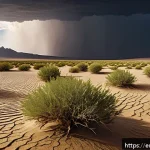
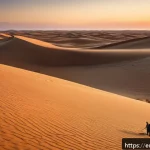
The Karakum Desert, which covers much of Turkmenistan, is more than just endless sand—it’s a living, breathing ecosystem with surprising diversity. Driving through the golden dunes, I was struck by the silence that enveloped everything, broken only by the wind’s whisper.
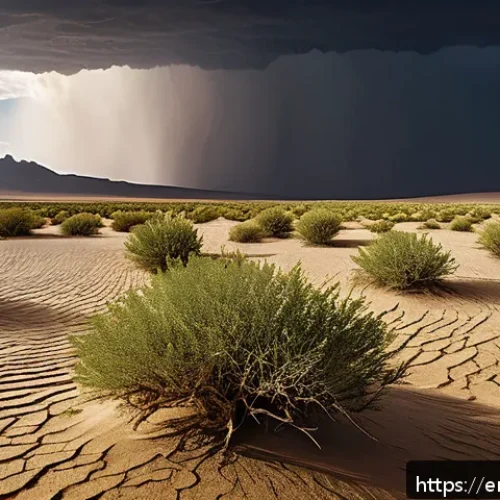
The desert’s flora and fauna, adapted to the harsh climate, reveal a delicate balance that’s easy to overlook. What truly fascinated me was the traditional nomadic culture still thriving here; meeting locals who navigate this vast expanse with age-old wisdom gave me a deep respect for their resilience.
Whether on foot or horseback, traversing the Karakum feels like stepping back into a timeless world where nature and human endurance intersect.
Kopet Dag Mountains: A Trekker’s Paradise
The rugged Kopet Dag Mountains offer a welcome escape from the desert’s monotony, with cooler air and lush valleys. Hiking through these peaks, I found myself surrounded by wildflowers and ancient ruins, a testament to the region’s rich history.
The trails wind through remote villages where hospitality is legendary; I was often invited in for tea and stories, which enriched my journey far beyond the natural beauty.
The diversity of wildlife, from mountain goats to colorful birds, kept every step exciting. This area is perfect for those who enjoy both physical challenge and cultural immersion, providing a layered experience that lingers long after the hike ends.
Discovering Turkmenistan’s Ancient Treasures
Ruins That Whisper the Past
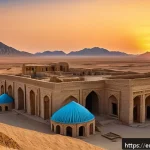
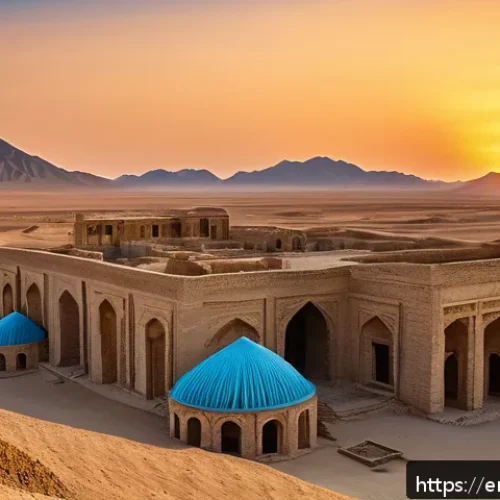
Scattered throughout Turkmenistan are ruins that reveal stories of ancient civilizations, from Parthian to Seljuk empires. Visiting these archaeological sites, I felt a connection to a distant past that’s often overlooked.
The ruins of Merv, a UNESCO World Heritage site, are particularly breathtaking. Walking among the remnants of grand mosques and caravanserais, I could almost hear the echoes of traders and travelers who once passed through this Silk Road hub.
These ruins aren’t just historical markers; they’re living chronicles that reveal the ebb and flow of human endeavor across centuries.
Traditional Bazaars: Heartbeats of Culture
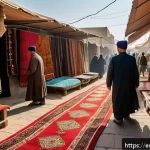
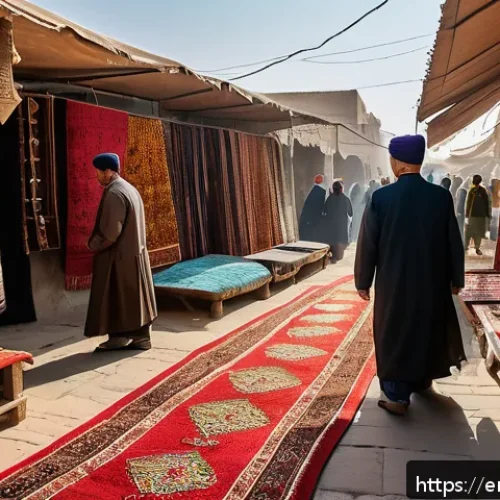
Turkmen bazaars are vibrant mosaics of color, sound, and scent where local life pulses strongest. I loved wandering through these bustling markets in Ashgabat and beyond, where artisans sell exquisite carpets, silver jewelry, and spices that tell their own stories.
The bazaars are social hubs, places where you can practice your Turkmen language skills and sample local delicacies. One of my favorite memories is haggling over a handwoven rug while sipping freshly brewed green tea—simple moments that capture the warmth and generosity of Turkmen culture.
Preserving Heritage Through Local Crafts
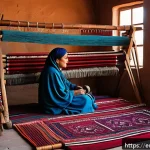
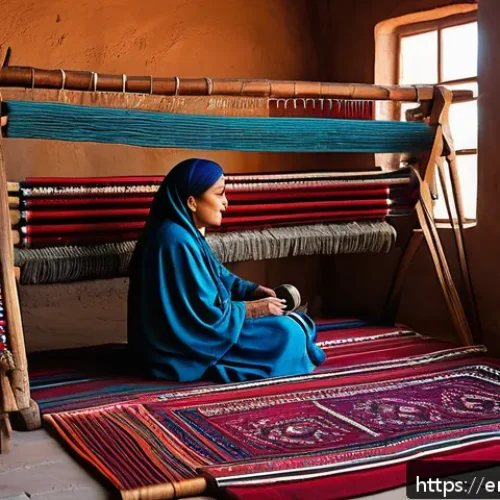
The craftsmanship in Turkmenistan is something I found truly inspiring. From vibrant textiles to intricate metalwork, the artisans here blend tradition with personal creativity.
I had the chance to visit workshops where master weavers demonstrated techniques passed down through generations. These crafts aren’t just souvenirs; they’re tangible pieces of heritage that support local communities.
Buying directly from these artists felt meaningful, knowing that I was helping preserve a vital part of Turkmen identity.
Immersing in Ashgabat’s Architectural Wonders
Modern Marvels Meet Soviet-Era Grandeur
Ashgabat is a city of contrasts, where gleaming white marble buildings rise alongside Soviet-era structures. Walking through its wide boulevards, I was struck by the city’s ambitious architectural vision—everything seems designed to impress and inspire.
The Independence Monument and the Arch of Neutrality are particularly stunning, showcasing a blend of traditional motifs and futuristic design. This city feels like a showcase of national pride, where every building tells a story of Turkmenistan’s past and aspirations.
Green Spaces and Urban Life
Despite its desert surroundings, Ashgabat surprises visitors with its abundance of parks and gardens. I found myself relaxing in the city’s peaceful green spaces, where locals gather to socialize and escape the heat.
These parks offer a refreshing contrast to the urban intensity, with fountains, sculptures, and shaded walkways that invite leisurely strolls. It’s a reminder that even in the most unexpected places, nature finds a way to coexist with modern development.
Cultural Institutions and Museums
For those interested in history and art, Ashgabat’s museums provide deep insights into Turkmen culture. I particularly enjoyed the National Museum, where exhibits span from prehistoric times to contemporary life.
The displays are thoughtfully curated, combining artifacts, textiles, and multimedia presentations that bring the story of Turkmenistan to life. Visiting these institutions felt like stepping into a living classroom, enriching my understanding of a country that often remains under the radar.
Wildlife and Nature Reserves: Turkmenistan’s Untouched Sanctuaries
Exploring Köpetdag Nature Reserve
The Köpetdag Nature Reserve is a sanctuary for diverse species and a refuge from human bustle. Hiking through its trails, I spotted rare birds and wild animals, a thrilling experience for any nature lover.
The reserve’s varied terrain—from rocky slopes to dense forests—supports a rich ecosystem that felt remarkably pristine. Spending time here, I could sense the delicate balance between conservation efforts and natural beauty, making it a vital piece of Turkmenistan’s environmental heritage.
Unique Flora and Fauna of the Region
Turkmenistan’s geographic diversity supports an array of unique plants and animals that you won’t find elsewhere. During my travels, I encountered desert-adapted species like the goitered gazelle and wild tulips blooming in unexpected places.
The resilience of life in such an arid environment fascinated me, showing nature’s incredible adaptability. Birdwatchers, in particular, will find joy in the migratory species that pass through the region, turning it into a hidden hotspot for biodiversity.
Conservation Efforts and Ecotourism Potential
Though still developing, Turkmenistan’s commitment to conservation is growing steadily. I was impressed by local initiatives aimed at protecting endangered species and habitats, often involving community participation.
These efforts not only safeguard natural treasures but also open doors for sustainable tourism. Experiencing ecotourism here felt rewarding, as it allowed me to support preservation while enjoying the country’s pristine wilderness.
It’s clear that Turkmenistan’s natural heritage will continue to flourish with the right balance of care and exploration.
Culinary Journeys Through Turkmenistan’s Flavors

Traditional Dishes and Dining Customs
Turkmen cuisine is a flavorful reflection of its nomadic roots and regional influences. Sampling dishes like plov (a hearty rice pilaf), shashlik (grilled meat skewers), and manty (steamed dumplings) introduced me to the country’s rich culinary heritage.
What I loved most was the communal nature of dining here—meals are often shared family-style, emphasizing connection and hospitality. Each bite told a story, from the fragrant spices to the careful preparation that honors tradition.
Street Food and Market Snacks
Exploring local markets, I couldn’t resist trying street food that bursts with authentic flavors. From savory samsa pastries to sweet baklava, these snacks are perfect for grabbing on the go while soaking up the market atmosphere.
I discovered that street vendors are not just food sellers but storytellers who gladly share the history behind their recipes. These quick bites offered a delicious window into everyday life and local tastes.
Tea Culture and Social Rituals
Tea in Turkmenistan is more than just a drink; it’s a social ritual steeped in meaning. I was often invited to partake in tea ceremonies that involved multiple rounds, each served with a variety of sweets or dried fruits.
The warmth of the tea mirrored the warmth of the people, creating moments of genuine connection. Sharing tea felt like entering a sacred space of friendship and trust, a simple yet profound experience that stayed with me long after the cup was empty.
| Attraction | Location | Best Time to Visit | Highlights |
|---|---|---|---|
| Darvaza Gas Crater | Karakum Desert | Evenings and Night | Burning crater, camping, surreal night views |
| Karakum Desert | Central Turkmenistan | Spring and Autumn | Vast dunes, nomadic culture, desert wildlife |
| Kopet Dag Mountains | Southern Border | Spring to Early Autumn | Hiking trails, ancient ruins, mountain villages |
| Merv Ruins | Mary Province | Spring and Autumn | Silk Road heritage, archaeological sites |
| Ashgabat City | Central Turkmenistan | All year round | Marble architecture, museums, bazaars |
| Köpetdag Nature Reserve | Near Ashgabat | Spring and Autumn | Wildlife watching, hiking, conservation |
Experiencing Turkmen Hospitality and Traditions
Welcoming Atmosphere of Local Communities
One of the most unforgettable aspects of Turkmenistan for me was the genuine warmth of its people. Whether in bustling cities or remote villages, I was often greeted with smiles and invitations to share a meal or a story.
This hospitality felt deeply rooted in tradition and was never forced or superficial. Spending time with locals gave me insights into their daily lives, values, and hopes, enriching my understanding of the country beyond its landscapes and history.
Festivals and Cultural Celebrations
If your visit aligns with a local festival, prepare to be swept up in vibrant celebrations full of music, dance, and colorful costumes. I was fortunate enough to witness Nowruz, the Persian New Year, celebrated with great enthusiasm across Turkmenistan.
The joy and communal spirit were infectious, with traditional performances and feasts that brought together people of all ages. These events offer a rare glimpse into the living culture and traditions that continue to shape Turkmen identity.
Traditional Dress and Symbolism
Turkmenistan’s traditional clothing is rich with symbolism and artistry, and seeing it worn during ceremonies or daily life is a visual feast. I learned that patterns and colors often signify tribal affiliations or social status, making garments a form of storytelling.
Trying on a telpek (a traditional sheepskin hat) and embroidered robe was a highlight of my cultural immersion, connecting me tangibly to the heritage of this proud nation.
Practical Tips for Adventurers and Explorers
Travel Logistics and Accessibility
Navigating Turkmenistan requires some planning, as it’s not the most straightforward destination. I found that securing necessary permits ahead of time is essential, especially for visiting certain remote areas.
Domestic travel can be an adventure itself—whether by shared taxi, train, or organized tours—each mode offers unique glimpses into the country’s rhythm.
Patience and flexibility are key, but the rewards are well worth the effort.
What to Pack for Varied Climates
Turkmenistan’s climate ranges from scorching deserts to cool mountain air, so packing smartly is crucial. When I traveled, I packed lightweight, breathable fabrics for daytime desert treks and warmer layers for nights and higher altitudes.
Don’t forget sturdy hiking boots for rugged trails and a hat for sun protection. Carrying a reusable water bottle and basic first-aid supplies proved invaluable during longer excursions.
Engaging Respectfully with Local Customs
Respect for local traditions goes a long way in Turkmenistan. I learned to dress modestly, especially when visiting religious sites or rural areas, and to greet people warmly with a simple “Salam.” Photography etiquette is important too; always ask permission before snapping portraits or entering private spaces.
These small gestures helped me build trust and enjoy more meaningful interactions throughout my journey.
글을 마치며
Turkmenistan is a land of contrasts, where ancient history meets breathtaking natural wonders. From the fiery depths of the Darvaza Gas Crater to the welcoming spirit of its people, this unique destination offers unforgettable experiences for every traveler. Exploring its diverse landscapes and rich culture truly opens a window into a world few have seen. Whether you’re seeking adventure or cultural immersion, Turkmenistan promises moments that stay with you long after you leave.
알아두면 쓸모 있는 정보
1. When visiting remote sites like the Darvaza Gas Crater, plan to arrive in the evening for the most spectacular views as the flames illuminate the night sky.
2. Spring and autumn are the best seasons to explore the Karakum Desert and archaeological ruins, offering comfortable temperatures and vibrant scenery.
3. Ashgabat’s modern architecture contrasts with Soviet-era buildings, so take time to visit both for a full picture of the city’s character.
4. Engaging with local communities through tea ceremonies or bazaars enriches your travel experience and supports traditional crafts and livelihoods.
5. Prepare for varied climates by packing layers, sturdy footwear, and sun protection to comfortably navigate deserts, mountains, and urban areas.
핵심 여행 팁과 유의사항
Traveling in Turkmenistan requires advance preparation, including obtaining necessary permits and understanding local customs to ensure respectful and smooth interactions. Flexibility is essential due to limited infrastructure in some areas, but this also offers authentic cultural encounters. Prioritize sustainable tourism by supporting local artisans and conservation efforts, helping preserve the country’s heritage and natural environment. Lastly, patience and an open mind will reward you with a rich and memorable journey through this often overlooked but captivating destination.
Frequently Asked Questions (FAQ) 📖
Q: What is the best time of year to visit Turkmenistan for exploring its natural landscapes and historical sites?
A: From my experience and what many travelers recommend, the best time to visit Turkmenistan is during spring (April to June) and autumn (September to October).
The weather is milder, making it comfortable to explore outdoor attractions like the Darvaza Gas Crater and trek through the Kopet Dag Mountains. Summers can be extremely hot, especially in the Karakum Desert, while winters tend to be cold and less ideal for outdoor adventures.
Q: How accessible are the main tourist sites like the Door to Hell and
A: shgabat for international visitors? A2: Turkmenistan has a reputation for strict visa policies, so planning ahead is crucial. Once you secure your visa, traveling within the country is manageable but requires some preparation.
Ashgabat, the capital, is quite modern and easy to navigate, with plenty of hotels and amenities. The Darvaza Gas Crater is more remote, so joining a guided tour or arranging transport through local operators is the safest and most convenient option.
I found that having a local guide enriches the experience, especially when visiting less accessible areas.
Q: What cultural experiences should travelers not miss while visiting Turkmenistan?
A: Turkmenistan offers a rich cultural tapestry that’s best experienced firsthand. Don’t miss wandering through vibrant bazaars in Ashgabat or Mary, where you can sample traditional Turkmen carpets, textiles, and local cuisine like manty (steamed dumplings) and shashlik (grilled meat).
Visiting ancient ruins such as Merv or Nisa also provides incredible insights into the region’s history. I personally found engaging with local artisans and trying traditional tea ceremonies to be unforgettable moments that added depth to my trip.