As the world becomes more interconnected, uncovering the rich tapestry of lesser-known cultures is a refreshing journey. Turkmenistan, nestled in Central Asia, offers a captivating blend of ancient traditions and vibrant tribal heritage that few have truly explored.

With recent global interest in cultural preservation and heritage tourism on the rise, now is the perfect time to dive into Turkmenistan’s unique mosaic.
From intricate carpet weaving to nomadic customs, each element tells a story shaped by centuries of history. Join me as we unravel the timeless heritage that continues to shape this fascinating nation’s identity.
Timeless Artistry: The Soul of Turkmen Craftsmanship
Mastering the Ancient Craft of Carpet Weaving
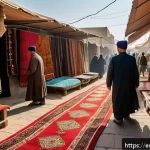
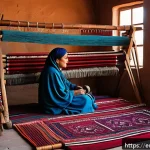
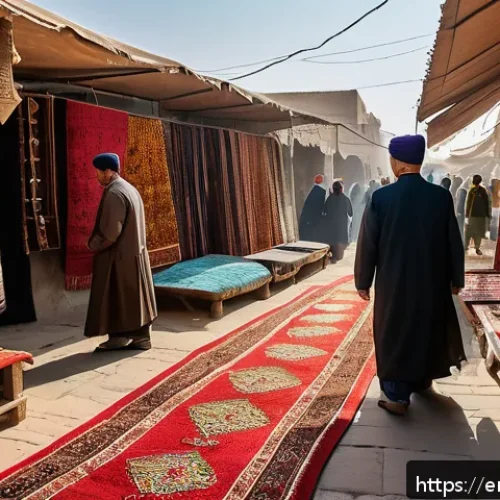
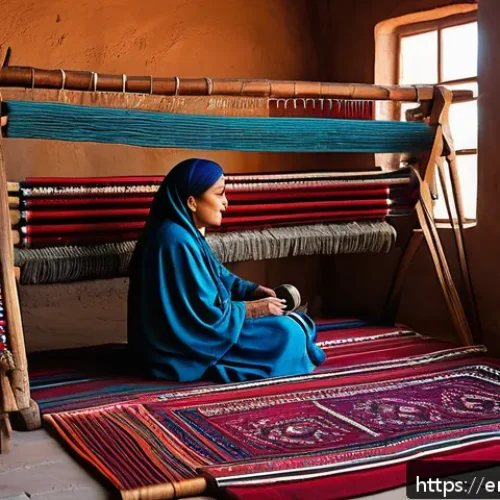
The art of carpet weaving in Turkmenistan is far more than just a craft—it’s a living tradition passed down through generations. Each Turkmen carpet tells a story, woven with vibrant reds, deep blues, and earthy browns, showcasing intricate geometric patterns unique to each tribe.
What’s truly fascinating is how these carpets serve as both functional household items and symbols of status, identity, and heritage. I had the chance to visit a weaving cooperative where artisans, mostly women, work tirelessly on looms, their hands moving with practiced precision.
The process can take months for a single carpet, reflecting patience and dedication that’s hard to find in today’s fast-paced world.
Symbolism and Meaning Behind the Patterns
Every motif in a Turkmen carpet carries deep cultural significance. For example, the “gul” motif, a medallion-like pattern, represents different tribal affiliations.
These symbols were historically used as tribal emblems, helping to identify the weaver’s lineage and origin. Beyond tribal identity, many patterns are believed to offer protection or bring good luck.
When I first learned about this, it struck me how such artistic expressions double as cultural narratives—woven history that you can literally walk on.
This dual purpose adds layers of meaning, making each carpet a unique blend of art, history, and spirituality.
The Role of Carpets in Social and Ceremonial Life
Carpets in Turkmen culture are indispensable during significant life events—weddings, births, and even funerals. They are gifted as tokens of respect and love, often symbolizing the continuity of family traditions.
During a wedding ceremony I attended, the bride’s family presented elaborately woven carpets to the groom’s family, a practice that underscored not just the joining of two people, but two families and their histories.
This tradition highlights how carpets are deeply embedded in social customs, acting as bridges connecting past, present, and future.
Nomadic Rhythms: Exploring Turkmenistan’s Tribal Traditions
The Enduring Spirit of Nomadism
Despite modernization, nomadic ways remain a vital part of Turkmenistan’s cultural identity. Many Turkmen still celebrate their nomadic roots by maintaining seasonal migrations and living in traditional yurts.
Experiencing a night in a yurt firsthand, I was struck by how these portable homes are marvels of design—warm, spacious, and perfectly suited for the harsh desert climate.
This nomadic lifestyle isn’t just about movement; it embodies a philosophy of living lightly on the land, deeply connected to nature and community.
Music and Storytelling: Oral Traditions Alive
Music in Turkmenistan is inseparable from its nomadic heritage. The dutar, a two-stringed instrument, carries haunting melodies that accompany epic poems and folk tales told around campfires.
I found myself drawn into evenings filled with storytelling, where elders recounted legends that have survived centuries without written records. This oral tradition is a living archive, preserving not only history but the values and wisdom of the Turkmen people.
The emotional depth of these performances made me realize how storytelling remains a powerful tool for cultural continuity.
Tribal Festivals: A Celebration of Identity and Unity
Tribal festivals in Turkmenistan are vibrant displays of unity and pride. They bring together various tribes in a grand celebration of traditional dress, music, dance, and sports like horse racing and wrestling.
Attending one of these festivals was like stepping back in time—a kaleidoscope of colors and sounds that vividly expressed the diversity within the Turkmen nation.
These events aren’t just entertainment; they reinforce social bonds and transmit cultural knowledge to younger generations, ensuring traditions stay alive in a rapidly changing world.
Culinary Heritage: Flavors That Tell a Story
Traditional Dishes Rooted in the Land
Turkmen cuisine is a reflection of its nomadic and agricultural heritage, combining simple ingredients with rich flavors. Dishes like “ichlekli” (a meat and onion pie) and “shashlyk” (grilled skewered meat) are staples that highlight the use of lamb and locally grown vegetables.
I remember tasting a freshly prepared bowl of “dograma,” a hearty meat and bread dish, which felt like a warm hug on a chilly evening. The emphasis on sharing food during meals is a testament to the strong communal ties characteristic of Turkmen culture.
Tea Culture and Social Connection
Tea drinking in Turkmenistan is more than just a daily habit; it’s an essential social ritual. Green tea, often brewed strong and served with sugar cubes or dried fruits, facilitates conversations and hospitality.
During my visit, I noticed how tea ceremonies create a welcoming space for guests and family members alike. It’s common for strangers to be invited for tea, reflecting the Turkmen value of generosity.
This simple act of sharing tea bridges social gaps and strengthens community bonds.
Seasonal and Festive Foods
Certain foods are reserved for holidays and special occasions, adding layers of meaning to culinary traditions. For instance, during Nowruz (the Persian New Year), families prepare “sumalak,” a sweet wheatgrass pudding symbolizing renewal and fertility.
The preparation itself is a communal activity, bringing generations together in celebration. These festive foods are rich in symbolism and provide a delicious way to connect with the cyclical rhythms of nature and cultural heritage.
Architectural Echoes of the Past and Present
Monuments Reflecting Turkmenistan’s History
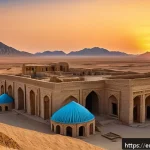
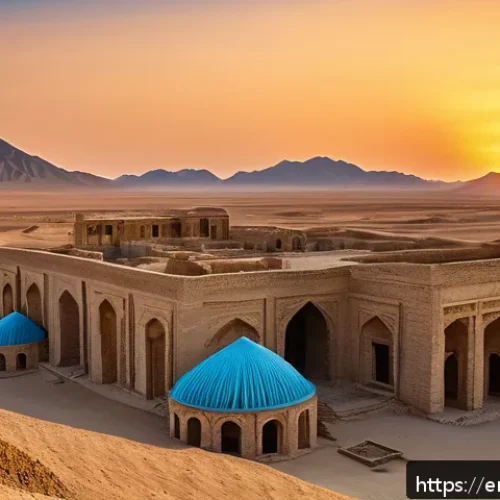
Turkmenistan’s architecture is a fascinating blend of ancient influences and Soviet-era designs. Walking through Ashgabat, the capital, I was struck by the gleaming white marble buildings juxtaposed with remnants of Silk Road caravanserais and mausoleums.
These structures narrate a story of resilience and adaptation over centuries. The Turkmen people have managed to preserve their historical sites while embracing modernity, creating a unique cityscape that honors both past and future.
Traditional Homes and Urban Living

Outside the capital, traditional homes often include courtyards adorned with colorful tiles and intricate woodwork. These spaces are not only functional but serve as places for family gatherings and celebrations.
In contrast, urban apartments reflect a more contemporary lifestyle but often incorporate traditional motifs in decor and layout. Experiencing both types of living spaces gave me insight into how Turkmenistan balances heritage with progress in everyday life.
Religious and Cultural Monuments
Religious architecture in Turkmenistan includes stunning mosques and mausoleums that serve as spiritual centers and cultural landmarks. The Turkmen people’s reverence for these sites is palpable during visits, where prayer rituals and pilgrimages continue uninterrupted.
Such monuments are not only places of worship but also repositories of art and history, decorated with exquisite tilework and calligraphy that speak to the nation’s Islamic heritage fused with local artistry.
Language and Literature: Voices of a Nation
The Turkmen Language’s Unique Place
Turkmen, a Turkic language, carries the nuances of the nation’s history and cultural evolution. While Russian and English are increasingly spoken, especially among younger generations, Turkmen remains a cornerstone of identity.
I found that even simple conversations in Turkmen opened doors to richer cultural understanding and deeper connections with locals. The language itself, with its poetic cadence and expressive idioms, reflects the warmth and resilience of its speakers.
Oral Poetry and Epic Tales
Turkmen literature thrives in oral forms, with epic poems like “Görogly” standing out as cultural treasures. These narratives blend myth, history, and moral lessons, often performed with musical accompaniment.
Listening to a local bard recite verses was an immersive experience that transported me to a world where heroes and legends come alive. This oral tradition preserves collective memory and reinforces social values, making literature a living, breathing part of daily life.
Modern Literary Movements and Cultural Expression
Contemporary Turkmen writers are exploring new themes while honoring traditional roots. Poetry and prose increasingly address issues like identity, change, and the tension between modernity and tradition.
I had the privilege of attending a small literary reading where emerging authors shared their work in both Turkmen and Russian. This fusion of voices signals a vibrant literary scene that continues to evolve, contributing to the nation’s cultural dialogue and global presence.
Table: Overview of Key Cultural Elements in Turkmenistan
| Cultural Aspect | Description | Significance | Example |
|---|---|---|---|
| Carpet Weaving | Handwoven carpets with tribal motifs | Identity, heritage, social status | “Gul” motif representing tribal affiliation |
| Nomadic Lifestyle | Seasonal migrations, yurt living | Connection to nature and tradition | Portable yurts adapted to desert climate |
| Music and Storytelling | Dutar instrument and epic poetry | Preservation of oral history and values | Evening campfire storytelling sessions |
| Culinary Traditions | Traditional dishes and tea ceremonies | Community bonding and hospitality | Sumalak during Nowruz festival |
| Architecture | Blend of ancient, Soviet, and modern styles | Historical continuity and modern identity | Marble buildings in Ashgabat |
| Language and Literature | Turkmen language and oral epics | Cultural identity and literary heritage | “Görogly” epic poem recitations |
Preserving Traditions in a Modern World
Challenges of Cultural Preservation
In today’s rapidly globalizing world, Turkmenistan faces the delicate task of preserving its rich cultural heritage while embracing modernization. I’ve observed that younger generations are increasingly drawn to urban lifestyles, which sometimes leads to a disconnect from traditional practices.
However, government initiatives and local organizations actively promote cultural education, encouraging youth to learn crafts, music, and language. This balance is vital to ensure that the unique Turkmen identity continues to thrive without being lost to the pressures of global homogeneity.
The Role of Tourism in Cultural Awareness
Heritage tourism has emerged as a powerful tool for cultural preservation in Turkmenistan. Visitors who come to explore ancient sites, experience festivals, or learn about crafts contribute to the local economy and raise international awareness.
From personal conversations with tour guides, I learned how tourism incentivizes the maintenance of cultural landmarks and supports artisans. When managed respectfully, tourism becomes a bridge connecting cultures, fostering mutual understanding and appreciation.
Community Efforts and Future Prospects
Local communities play an indispensable role in safeguarding traditions. I was inspired by grassroots efforts where elders teach young people traditional songs, dances, and crafts.
These intergenerational exchanges keep cultural knowledge alive and relevant. Looking ahead, the integration of technology with tradition—like digital archiving of oral histories or online craft marketplaces—holds exciting potential.
It’s clear that Turkmenistan’s cultural tapestry, woven with care and pride, will continue to evolve while honoring its timeless roots.
Conclusion
Turkmenistan’s cultural heritage is a vibrant tapestry woven from centuries of tradition, artistry, and community spirit. Experiencing its crafts, music, cuisine, and architecture reveals a society deeply connected to its roots while navigating the modern world. Preserving these customs is essential not only for Turkmen identity but also for enriching the global cultural landscape. Embracing both change and tradition offers a hopeful path forward for future generations.
Useful Information to Know
1. Turkmen carpets are handwoven with unique tribal patterns that symbolize identity and heritage.
2. Nomadic lifestyles and yurt living remain important cultural practices reflecting harmony with nature.
3. Music and oral storytelling preserve Turkmen history and values through generations.
4. Traditional Turkmen cuisine emphasizes communal dining and seasonal dishes tied to festivals.
5. Tourism plays a growing role in supporting cultural preservation and local economies.
Key Takeaways
Understanding Turkmenistan’s culture means recognizing the balance between preserving ancient traditions and adapting to modern influences. The country’s rich heritage is embodied in its crafts, social customs, and language, all of which are actively maintained through community efforts and cultural initiatives. Supporting these practices ensures the continuation of a unique identity that resonates deeply with both locals and visitors alike.
Frequently Asked Questions (FAQ) 📖
Q: uestionsQ1: What makes Turkmenistan’s cultural heritage unique compared to other Central
A: sian countries? A1: Turkmenistan stands out for its deeply rooted nomadic traditions and extraordinary craftsmanship, especially in carpet weaving. Unlike some neighboring countries where urban culture dominates, Turkmenistan’s identity is still heavily influenced by tribal customs passed down through generations.
The vibrant patterns in their carpets aren’t just decorative—they tell stories of family, history, and social status. Experiencing this firsthand offers a rare glimpse into a living culture that has preserved its uniqueness despite modern changes.
Q: How accessible is Turkmenistan for tourists interested in exploring its cultural sites?
A: Turkmenistan has traditionally been one of the more challenging destinations in Central Asia due to strict visa policies and limited infrastructure. However, recent efforts to promote heritage tourism have made it increasingly approachable.
While it’s not a typical backpacker spot, those who plan ahead and work with local guides can access fascinating sites like ancient Silk Road cities and tribal villages.
Visiting Turkmenistan requires patience and respect for local customs, but the reward is an authentic cultural immersion that few other places can offer.
Q: What are some traditional Turkmen customs that visitors should be aware of?
A: Respect for elders and hospitality are at the heart of Turkmen culture. Guests are often treated with great honor, including being offered traditional tea and meals prepared with care.
It’s also important to understand the significance of clothing and symbols, as many designs carry tribal meanings. When attending cultural events or visiting homes, modest dress and polite behavior go a long way.
From my experience, embracing these customs not only enriches your visit but also builds genuine connections with the local people.