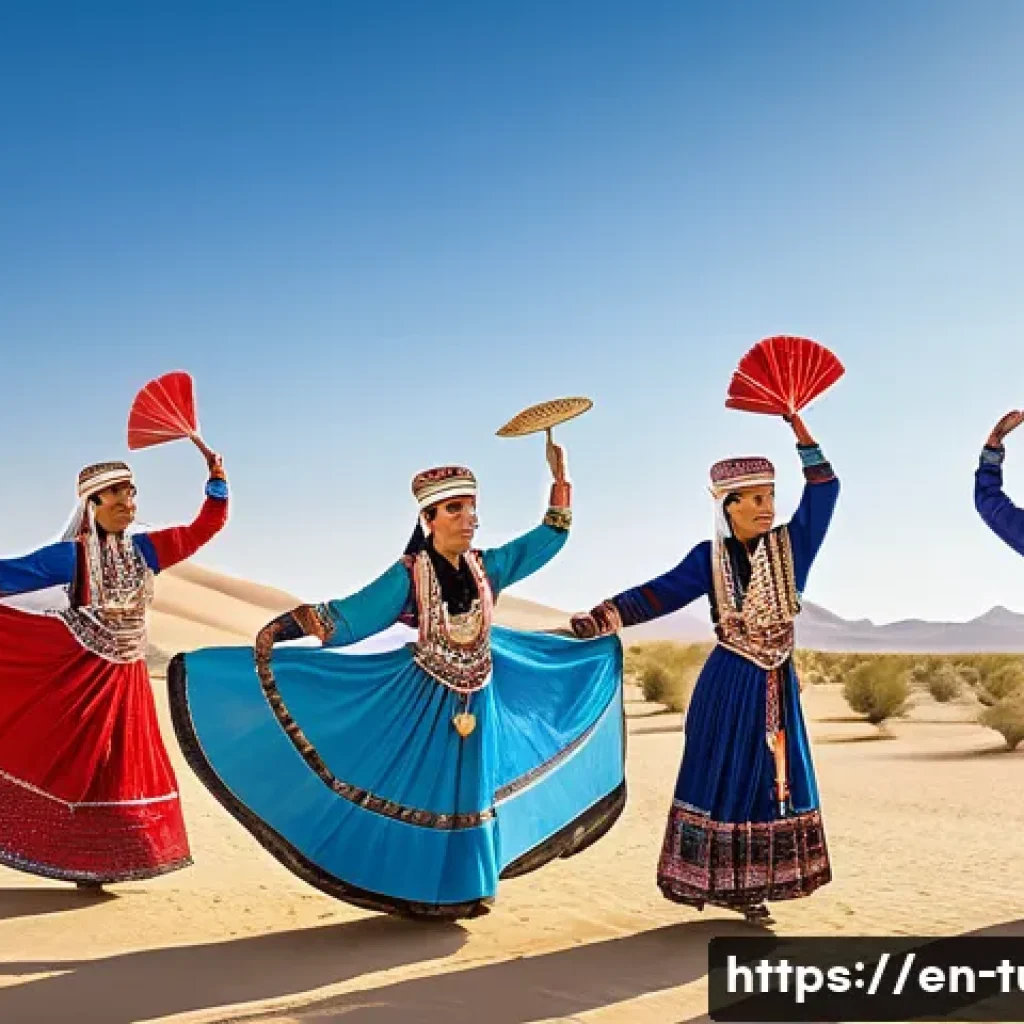
Turkmenistan’s traditional dance performances offer a captivating glimpse into the rich cultural heritage of Central Asia. These vibrant dances are not just art forms but storytelling mediums that reflect the history, values, and spirit of the Turkmen people.
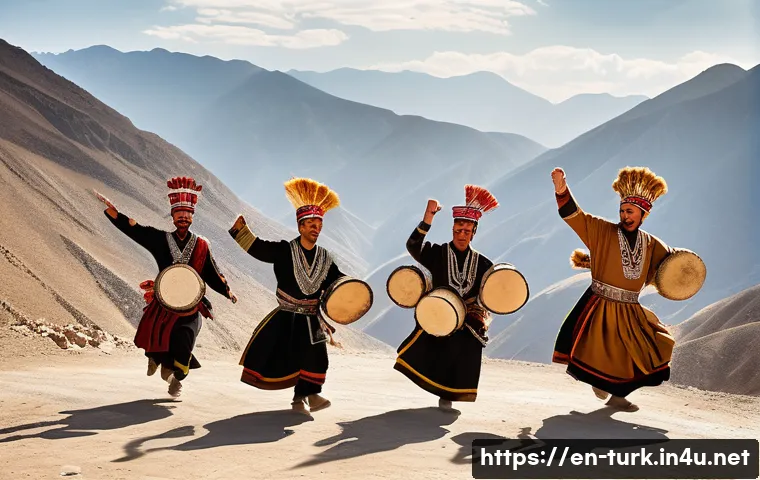
With colorful costumes and rhythmic movements, each performance brings ancient customs to life in a way that resonates deeply with both locals and visitors.
Experiencing these dances firsthand reveals the unique blend of passion and tradition that defines Turkmen culture. Let’s dive in and explore the fascinating world of Turkmen traditional dance in detail!
Origins and Symbolism in Turkmen Dance
Historical Roots of Turkmen Movements
The traditional dances of Turkmenistan trace back centuries, deeply intertwined with the nomadic lifestyle of the Turkmen tribes. Each movement has a story, whether mimicking the daily activities of shepherds or symbolizing ancient rites of passage.
When I first watched a performance in Ashgabat, I was struck by how these dances seemed like living history lessons, passed down orally and physically through generations.
The subtle hand gestures, the precise footwork, and the flowing body movements all echo the rhythms of Turkmen life in the desert and steppes. It’s fascinating how these dances preserve not only entertainment but also cultural memory.
Meaning Behind Costumes and Props
Costumes in Turkmen dance aren’t just for show—they carry symbolic weight. The vibrant colors and intricate embroidery reflect tribal identities and social status.
For example, certain patterns might indicate a dancer’s clan or marital status. Props such as scarves, daggers, or even horse reins are often incorporated, each adding a narrative layer to the performance.
Watching a dancer twirl a scarf or mimic riding a horse, you get a sense of the deep connection between the Turkmen people and their land. The use of these items in dance is a clever way to communicate stories without words, a tradition that feels both intimate and grand.
Embodying Values Through Movement
Turkmen dances emphasize grace, strength, and respect—qualities highly regarded in their culture. The slow, deliberate motions showcase dignity and patience, while the more energetic sequences express joy and communal spirit.
I remember feeling a wave of emotion during one performance where dancers moved in perfect harmony, symbolizing unity and cooperation within the tribe.
The dances often celebrate hospitality, bravery, and love, reflecting the values that have shaped Turkmen society for ages. It’s remarkable how much meaning is packed into each step and gesture, making the dance a living philosophy.
Distinctive Dance Styles Across Turkmen Regions
Variations from the Southern Regions
In the southern parts of Turkmenistan, dances tend to be more fluid and lyrical, influenced by Persian cultural exchanges over centuries. These styles often feature slower tempos and more delicate hand movements, which contrast with the vigorous rhythms found elsewhere.
When attending a festival near Mary, I noticed how dancers incorporated flowing arm waves and soft foot taps, creating a mesmerizing effect that felt almost hypnotic.
This regional flavor adds a layer of diversity to Turkmen dance traditions, showing how geography and history shape artistic expression.
Energetic Northern Dance Traditions
Conversely, northern Turkmen dances are characterized by strong, dynamic movements and faster beats. This style reflects the rugged terrain and the warrior ethos prevalent in the area.
I once saw a group of male dancers performing a series of powerful stomps and leaps that felt like a ritual battle dance. The energy was infectious, igniting the crowd’s enthusiasm.
These northern dances often include group formations that emphasize camaraderie and collective strength, a vivid display of community pride and resilience.
Urban Influences and Contemporary Adaptations
In Turkmenistan’s cities, traditional dances have evolved by blending with modern elements. While preserving the core steps and symbolism, urban performers sometimes add new rhythms or fuse styles with contemporary music genres.
I experienced this fusion firsthand during a cultural event in Ashgabat, where younger dancers incorporated jazz-like improvisations into classic routines.
This evolution keeps the tradition alive and relevant, attracting younger generations while respecting heritage. It’s a testament to the dance’s adaptability and enduring appeal.
Role of Music and Instruments in Dance Performances
Traditional Instruments Accompanying Dance
The backbone of any Turkmen dance performance is its music, often played on traditional instruments like the dutar, gijak, and naghara. The dutar, a two-stringed lute, provides melodic lines that guide the dancers’ movements.
Meanwhile, the naghara drum sets the rhythm, energizing the tempo. The combination of these sounds creates a rich auditory landscape that complements the visual spectacle.
Personally, I find that the live music adds an irreplaceable authenticity, making the experience immersive and emotionally stirring.
Interaction Between Musicians and Dancers
One of the most captivating aspects of Turkmen dance is the fluid dialogue between musicians and dancers. The performers often respond to each other’s cues, improvising within traditional frameworks.
This interplay creates a dynamic atmosphere where every show feels unique. I’ve noticed that skilled dancers sometimes signal shifts in tempo or mood, prompting musicians to adapt instantly.
This synergy reflects a deep cultural understanding and respect between the two art forms, elevating the performance into a shared artistic conversation.
The Impact of Rhythm on Movement
Rhythm is more than just a beat in Turkmen dance; it shapes the entire physical expression. Faster rhythms invite energetic spins and leaps, while slower tempos emphasize fluid hand gestures and controlled footwork.
The dancers’ ability to interpret these rhythms with precision is a testament to their training and cultural immersion. Watching a skilled dancer navigate complex rhythmic patterns is like witnessing a language spoken through the body—full of nuance, emotion, and storytelling power.
Community and Celebration Through Dance
Dance as a Social Bonding Activity
Turkmen dances are rarely performed in isolation; they are communal events that strengthen social ties. During weddings, festivals, and national holidays, dance becomes a vehicle for collective joy and identity affirmation.
I’ve seen entire families and neighbors gather in circles, passing down steps from elders to children. This intergenerational participation fosters a sense of belonging and continuity, which is vital in preserving cultural traditions.
The shared laughter, applause, and occasional playful competition enrich the experience beyond just the artistic display.
Ritualistic and Ceremonial Functions
Beyond entertainment, many Turkmen dances serve ritualistic purposes. Some are performed to mark important life events like births, marriages, or harvests, while others invoke blessings or protection.
The ritual dances often involve specific sequences and formations believed to connect participants with ancestral spirits or divine forces. Witnessing such a dance, one can feel the weight of history and spirituality, adding depth to the celebration.
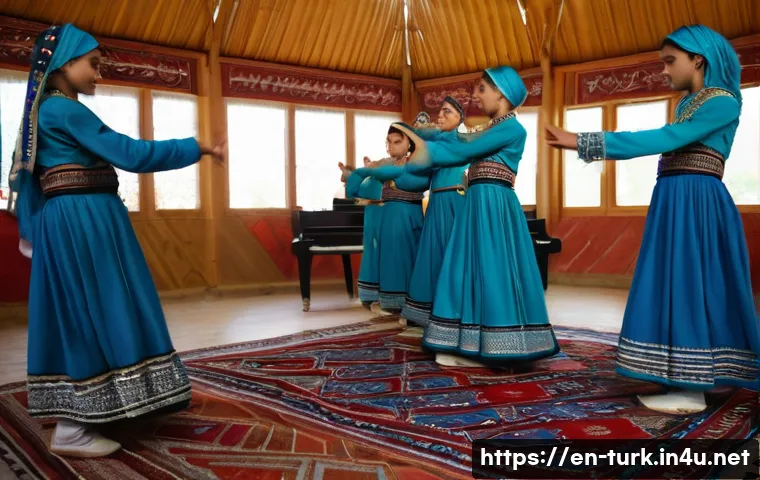
These ceremonies highlight the dance’s role as a bridge between the physical and metaphysical worlds in Turkmen culture.
Festivals Showcasing Dance Diversity
Annual festivals across Turkmenistan provide an excellent platform to experience a wide range of traditional dances. These gatherings showcase regional styles, costume variations, and musical accompaniments, offering a comprehensive cultural immersion.
I recall attending the International Turkmen Festival where dozens of dance troupes performed, each bringing their unique flair and storytelling approach.
Festivals not only entertain but also educate locals and tourists alike, fostering pride and cross-cultural appreciation.
Costume Craftsmanship and Symbolism
Materials and Techniques Used
The costumes worn during Turkmen dances are masterpieces of craftsmanship, often handmade using natural materials like silk, wool, and cotton. The embroidery techniques are passed down through generations, with artisans spending weeks perfecting a single garment.
I was fortunate to visit a workshop where I saw how intricate patterns are sewn by hand, each stitch telling a story of cultural motifs and tribal heritage.
Wearing these costumes, dancers embody centuries of artistic dedication, adding visual richness to their performances.
Colors and Their Cultural Meanings
Color choices in Turkmen dance attire are deeply symbolic. Reds often represent vitality and courage, while blues signify protection and spirituality.
Earth tones connect the wearer to the natural world, reflecting the Turkmen people’s close relationship with their environment. During a performance in a village near Dashoguz, I noticed how the dancers’ bright costumes contrasted vividly with the desert backdrop, creating a striking visual metaphor for life flourishing in harsh conditions.
These color schemes add emotional layers to the dance, enhancing storytelling through visual cues.
Adornment and Accessories
Accessories such as jewelry, headdresses, and belts play a crucial role in completing the traditional look. Silver and gold jewelry not only embellish but also signify social status or special occasions.
The headdresses, often adorned with feathers or coins, add height and drama to the dancer’s silhouette. I remember a dancer explaining how each accessory carries a protective or lucky meaning, showing how personal and cultural significance intertwine in these adornments.
These details elevate the performance’s authenticity and cultural resonance.
Teaching and Preservation of Turkmen Dance
Formal Education and Dance Schools
In recent years, Turkmenistan has established formal institutions dedicated to preserving traditional dance. These schools provide structured training, combining classical techniques with cultural history lessons.
I spoke with a dance instructor who emphasized the importance of discipline and cultural pride in their curriculum. Students learn not only choreography but also the stories behind each dance, ensuring that the tradition remains vibrant and meaningful.
This institutional support plays a crucial role in passing the art form to future generations.
Community Workshops and Informal Learning
Outside formal settings, many villages and communities host workshops where elders teach younger members the traditional dances. These informal gatherings are essential for cultural transmission, fostering intimate connections between generations.
I once joined such a workshop in a rural town, where the relaxed atmosphere allowed for questions, storytelling, and hands-on practice. This grassroots approach ensures that dance remains a living tradition, adaptable yet deeply rooted in community life.
Challenges and Opportunities in Preservation
While efforts to preserve Turkmen dance are strong, challenges remain, including modernization pressures and limited global exposure. However, digital platforms and cultural exchanges offer new opportunities to showcase and sustain these traditions.
I’ve noticed increasing interest from international audiences through online videos and festivals, which can inspire pride among Turkmen youth and encourage innovation within tradition.
Balancing preservation with evolution is key to keeping these dances relevant in a changing world.
| Aspect | Description | Example |
|---|---|---|
| Dance Style | Varies by region; fluid in south, energetic in north | Southern dances feature flowing arm movements; northern dances include stomping and leaps |
| Costume | Handmade with symbolic colors and embroidery | Red symbolizes courage; silver jewelry indicates status |
| Music | Traditional instruments guide rhythm and mood | Dutar lute melody with naghara drum beats |
| Function | Social bonding, ritual, storytelling | Weddings, festivals, and spiritual ceremonies |
| Preservation | Formal schools and community workshops | Dance academies in Ashgabat and village gatherings |
Conclusion
Turkmen dance is a vibrant tapestry of history, culture, and community spirit. It beautifully weaves together movement, music, and symbolism to tell stories that have been cherished for generations. Experiencing these dances offers a unique glimpse into the heart of Turkmen identity and tradition. As both an art form and a social practice, Turkmen dance continues to thrive, adapting while honoring its rich roots.
Useful Information to Remember
1. Turkmen dances vary regionally, with southern styles being fluid and lyrical, and northern dances more energetic and bold.
2. Costumes are handmade with symbolic colors and intricate embroidery, reflecting social status and tribal identity.
3. Traditional instruments like the dutar and naghara drum are essential, guiding rhythm and enhancing the storytelling.
4. Dance serves multiple roles, including social bonding, ritual ceremonies, and cultural storytelling at festivals and celebrations.
5. Preservation efforts include formal dance schools and community workshops, balancing tradition with modern influences.
Key Takeaways
Understanding Turkmen dance means appreciating its deep cultural significance beyond mere performance. It embodies values like unity, respect, and heritage while connecting people across generations. The regional diversity and evolving styles demonstrate the dance’s adaptability in a modern world. Preservation through education and community involvement is vital to ensure these traditions remain alive and meaningful. Ultimately, Turkmen dance stands as a powerful expression of identity, history, and collective memory.
Frequently Asked Questions (FAQ) 📖
Q: What are the main characteristics of Turkmen traditional dance performances?
A: Turkmen traditional dances are known for their vibrant energy, colorful costumes, and rhythmic movements that tell stories about the people’s history and values.
These dances often involve intricate hand gestures, expressive facial expressions, and coordinated group formations. The performances serve as a living narrative, reflecting ancient customs and the passionate spirit of Turkmen culture, making them both visually captivating and emotionally engaging.
Q: When and where can I experience authentic Turkmen traditional dance performances?
A: Authentic Turkmen dances are typically showcased during cultural festivals, national holidays, weddings, and special community gatherings throughout Turkmenistan.
Cities like Ashgabat and regions with strong cultural preservation often host performances in theaters, public squares, or cultural centers. If you visit during events like the Turkmen Independence Day celebrations or the International Carpet Festival, you’re likely to witness these mesmerizing dances in their full traditional glory.
Q: How do Turkmen traditional dances reflect the cultural identity of the Turkmen people?
A: These dances are more than just entertainment—they are a powerful expression of Turkmen identity, encapsulating stories of heroism, daily life, and social values passed down through generations.
The movements and costumes often symbolize elements of nature, tribal heritage, and spiritual beliefs. Experiencing these dances firsthand gives insight into the deep respect Turkmen people have for their history and traditions, fostering a strong sense of community and pride.