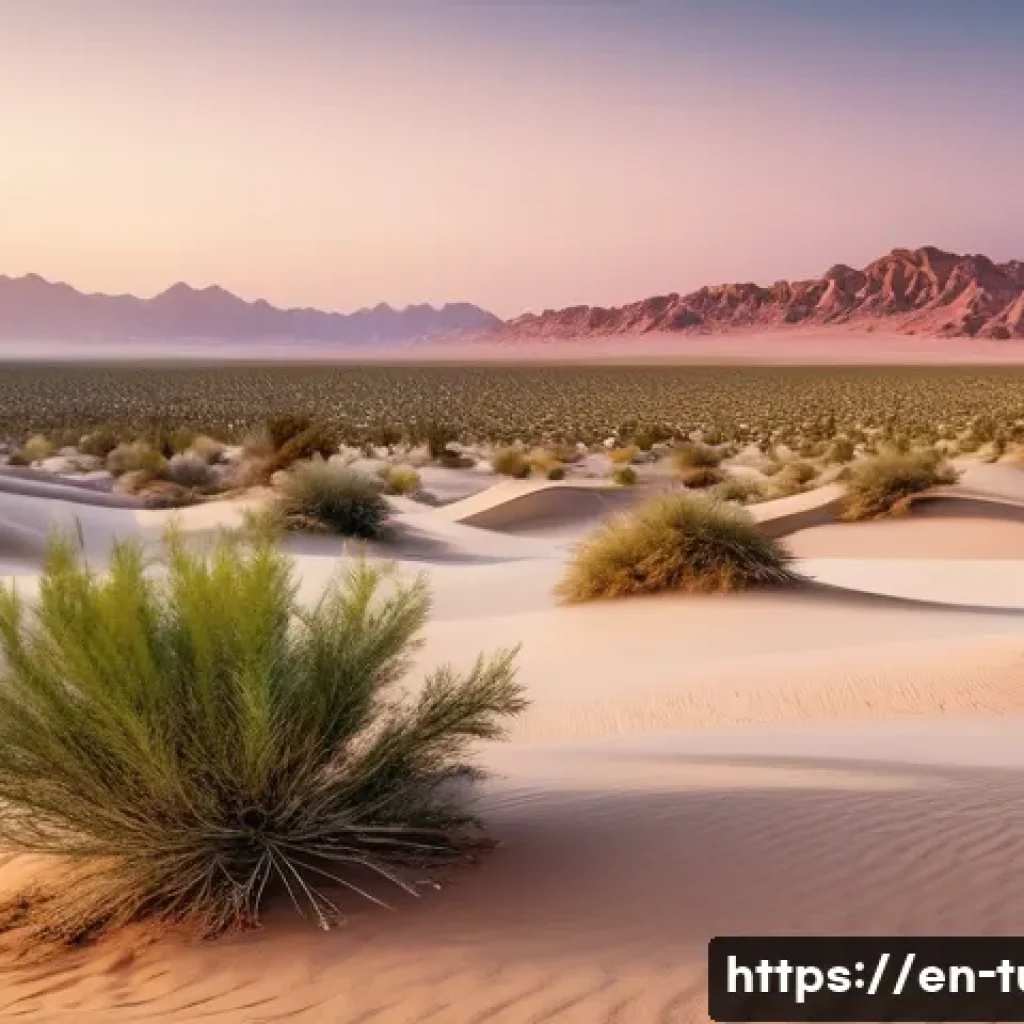
Nestled in the heart of Central Asia, the Karakum Desert stretches across Turkmenistan like a vast sea of golden sand and rugged terrain. Known for its extreme climate and unique landscapes, this desert holds secrets of ancient trade routes and fascinating natural phenomena.
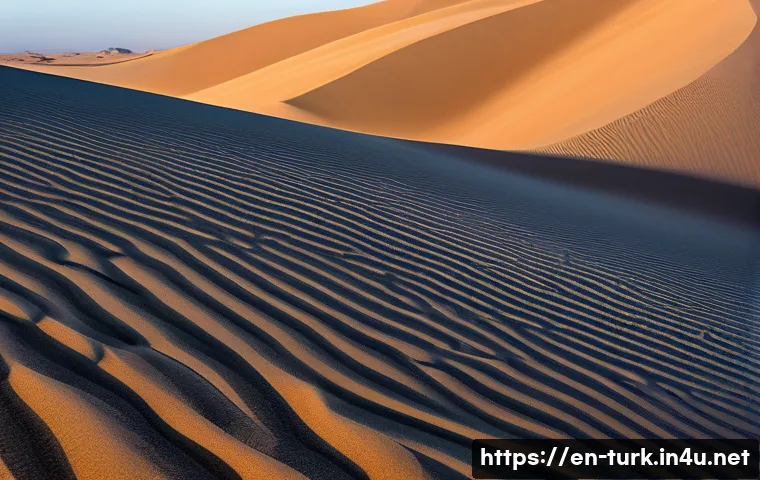
From the blazing heat by day to the chilling cold at night, life here is both harsh and captivating. Travelers and researchers alike are drawn to its mysterious beauty and the intriguing culture of the nomadic tribes that call it home.
If you’ve ever wondered what makes this desert so special, we’re about to uncover its wonders together. Let’s dive in and explore the Karakum Desert in detail!
Geological Marvels and Terrain Diversity
Formation and Landscape Features
The desert’s vast expanse is the result of millions of years of geological activity, including sediment deposits from ancient rivers and wind erosion shaping the dunes and rocky outcrops.
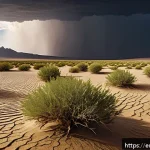
Unlike stereotypical endless sand seas, this region offers a mix of sandy plains, gravelly hills, and salt flats that make the terrain surprisingly varied.
Walking across it reveals subtle shifts—from soft, powdery sand to hard-packed clay crusts—each telling a story of the climatic and geological forces that shaped them.
The presence of scattered oases interrupts the barren stretches, supporting pockets of vegetation and wildlife that adapt to this challenging environment.
Unique Natural Phenomena
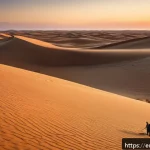
One of the most fascinating features here is the “singing sands” phenomenon, where certain dunes emit a humming or booming sound when the sand grains slide down their slopes.
This rare acoustic effect is caused by the specific size and dryness of the sand particles combined with wind conditions. Additionally, the desert hosts seasonal mirages and heat ripples that play tricks on the eyes, creating illusions of water or distant objects shimmering on the horizon.
These natural spectacles have inspired local folklore and continue to captivate visitors who witness them firsthand.
Impact of Climate on the Terrain
The extreme temperature fluctuations between day and night contribute to the desert’s unique surface conditions. During the scorching daytime, the sand can reach temperatures over 70°C (158°F), baking the surface and causing cracks in exposed clay areas.
At night, the temperature plummets drastically, often below freezing, leading to frost formation in some sheltered spots. These temperature swings cause continuous expansion and contraction of the soil, further sculpting the landscape and influencing the distribution of plant life and animal habitats.
Ecological Adaptations and Wildlife
Survival Strategies of Desert Flora
Plants thriving here have evolved remarkable adaptations to conserve water and endure intense sunlight. Xerophytic species, such as saxaul trees and saltwort bushes, possess deep root systems that tap into underground moisture reserves.
Their leaves are often reduced to spines or coated with waxy layers to minimize water loss. During rare rainfall events, dormant seeds quickly germinate and complete their life cycle before the soil dries again.
These adaptations allow the sparse vegetation to stabilize dunes and provide critical shelter for desert fauna.
Animal Life and Behavioral Adaptations
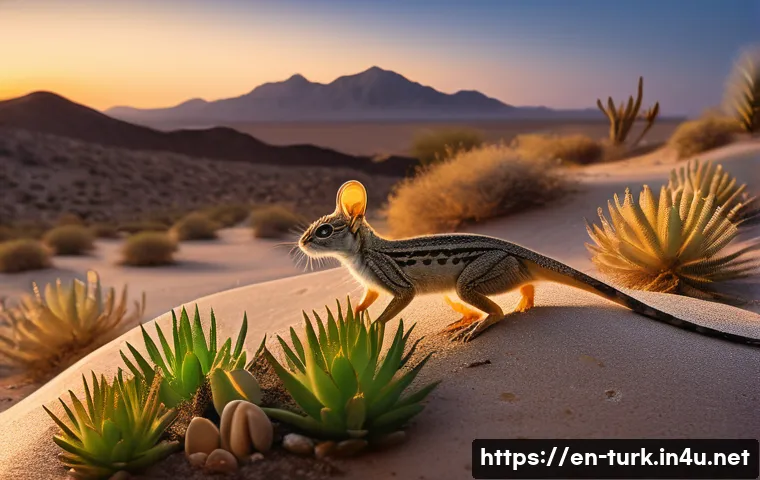
The desert is home to a variety of specially adapted animals, from small rodents like jerboas, which leap to evade predators and conserve energy, to reptiles such as the desert monitor lizard that regulate their body temperature by basking or burrowing.
Nocturnal behavior is common, allowing creatures to avoid the searing daytime heat. Predators like the golden eagle and sand cats have developed keen hunting skills tailored to the open, arid environment.
Observing these animals reveals an intricate web of survival tactics shaped by harsh conditions.
Threats to the Ecosystem
Despite its resilience, the desert ecosystem faces challenges from human activities like overgrazing, off-road vehicle use, and climate change impacts that alter precipitation patterns.
These pressures can lead to habitat degradation, loss of native species, and increased desertification. Conservation efforts focus on protecting critical habitats and promoting sustainable practices among local communities to maintain the delicate balance that supports life in this arid expanse.
Ancient Trade Routes and Cultural Heritage
Historical Significance of Caravan Paths
The desert was once crisscrossed by vital trade routes connecting East and West, known as part of the Silk Road network. Caravans laden with silk, spices, and precious metals traversed these unforgiving sands, relying on well-established waypoints and oases for survival.
These paths facilitated not only commerce but also cultural exchange, spreading ideas, religions, and technologies across continents. Archaeological remains such as caravanserais and ancient fortifications still mark these historic trails, offering a glimpse into the desert’s vibrant past.
Nomadic Tribes and Traditional Lifestyles
Indigenous nomadic groups have inhabited this desert for centuries, mastering the art of living in harmony with its extremes. Their intimate knowledge of water sources, seasonal movements, and animal behavior enabled sustainable herding of camels, sheep, and goats.
Traditional dwellings like portable yurts reflect their mobility and adaptability. These communities maintain rich oral traditions, music, and crafts that preserve their identity despite modernization pressures.
Engaging with them provides unique insights into human resilience and cultural continuity.
Modern Archaeological Discoveries
Recent excavations have uncovered artifacts ranging from ancient pottery shards to burial sites, shedding light on prehistoric human activity and migration patterns.
Advances in remote sensing technology help researchers map subsurface structures and hidden settlements beneath shifting sands. These findings contribute to a deeper understanding of how early civilizations interacted with the desert environment, informing both historical narratives and preservation strategies.
Extreme Climate Patterns and Their Effects
Temperature Extremes and Seasonal Variations
One of the most striking aspects of this desert is its intense climate variability. Summer days can be scorching beyond belief, often exceeding 45°C (113°F), while winter nights plunge below freezing, creating a harsh thermal contrast.
Seasonal winds, including the notorious hot “karaburan,” sweep across the landscape, lifting dust and sand to create blinding storms. These climatic conditions dictate the rhythm of life, influencing everything from plant growth cycles to human activity schedules.
Impact on Human Habitation and Travel
Living or traveling in such an environment requires careful planning and respect for nature’s unpredictability. Historically, travelers timed their journeys to avoid the peak heat hours and relied on local knowledge to navigate safely.
Today, tourists and researchers must prepare with adequate hydration, sun protection, and communication devices. The desert’s climate also affects infrastructure development, limiting permanent settlements and emphasizing mobile or temporary structures.
Climate Change and Future Outlook
Global climate trends pose additional challenges, potentially intensifying droughts and altering precipitation patterns in this already fragile ecosystem.
Predictive models suggest increased frequency of extreme weather events, threatening biodiversity and local livelihoods. Efforts to monitor these changes and implement adaptive strategies are crucial to preserving the desert’s natural and cultural heritage for future generations.
Exploration and Adventure Opportunities
Popular Routes and Guided Expeditions
For adventurous travelers, the desert offers a range of exploration experiences, from camel treks and 4×4 off-road tours to hiking across sand dunes at sunrise.
Professional guides provide insights into local history, flora, and fauna, enhancing the journey’s educational value while ensuring safety in this remote terrain.
Many expeditions include visits to ancient ruins, natural springs, and nomadic camps, creating a rich, immersive adventure.
Photographic and Scientific Research
The desert’s dramatic landscapes and rare wildlife attract photographers and scientists alike. Capturing the interplay of light and shadow on dunes, the silhouettes of desert animals, and the vibrant colors of sunsets has become a favorite subject for artists.
Meanwhile, researchers study geological formations, climate data, and biodiversity patterns to better understand desert ecosystems and their global significance.
Challenges and Safety Considerations
Despite its allure, exploring this desert demands respect for its dangers. Extreme temperatures, sudden sandstorms, and limited access to medical help necessitate thorough preparation and risk management.
Travelers are advised to carry ample water, navigation tools, and emergency supplies. Awareness of weather forecasts and local advice is essential to avoid life-threatening situations and ensure a rewarding experience.
Desert Resources and Economic Potential
Mineral Wealth and Extraction
Beneath the surface lie valuable mineral deposits such as natural gas, oil, and various salts, which contribute significantly to the regional economy.
Extraction operations have brought development and employment but also environmental concerns, including habitat disruption and pollution. Balancing resource use with ecological preservation remains a critical challenge for policymakers and industry stakeholders.
Renewable Energy Prospects
The desert’s abundant sunlight makes it an ideal location for solar energy projects. Several initiatives aim to harness this potential, providing clean power to nearby communities and reducing reliance on fossil fuels.
These projects not only offer economic benefits but also align with global efforts to combat climate change by promoting sustainable energy solutions.
Traditional Crafts and Tourism Revenue
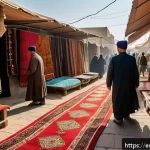
Handicrafts made by local artisans, including textiles, pottery, and jewelry, represent a vibrant cultural economy linked to desert life. Tourists often purchase these items as souvenirs, supporting community livelihoods.
Developing eco-friendly tourism infrastructure and cultural heritage sites enhances this sector’s growth while fostering appreciation for the desert’s unique identity.
Comparative Overview of Desert Characteristics
| Aspect | Karakum Desert | Typical Desert |
|---|---|---|
| Average Temperature | High: 45°C (113°F), Low: -5°C (23°F) | High: 40°C (104°F), Low: 0°C (32°F) |
| Terrain | Sandy plains, gravel hills, salt flats | Primarily sand dunes or rocky plateaus |
| Vegetation | Xerophytic shrubs, saxaul trees | Sparse grasses, cacti |
| Wildlife | Jerboas, desert monitors, sand cats | Camels, snakes, scorpions |
| Human Presence | Nomadic tribes, historical caravan routes | Scattered settlements, mining towns |
| Unique Features | Singing sands, extreme temperature shifts | Sandstorms, salt flats |
Conclusion
The desert’s remarkable landscapes and rich history reveal a world shaped by natural forces and human resilience. From its unique geological features to the adaptive flora and fauna, every aspect tells a story of survival and transformation. Exploring this environment offers not only adventure but also valuable insights into the delicate balance sustaining life in harsh conditions.
Useful Information to Know
1. The desert’s “singing sands” are a rare natural sound phenomenon caused by the movement of dry sand grains under specific conditions.
2. Extreme temperature swings between day and night significantly influence the terrain’s formation and the behavior of plants and animals.
3. Nomadic tribes have long adapted to desert life through knowledge of water sources and seasonal migration patterns.
4. Modern exploration combines adventure tourism with scientific research to better understand and preserve the desert ecosystem.
5. Renewable energy projects, especially solar power, are promising avenues for sustainable development in desert regions.
Key Takeaways
Understanding the desert’s complex interplay of climate, geology, and ecology is essential for responsible exploration and conservation. Awareness of environmental threats, such as climate change and human impact, highlights the need for sustainable practices. Embracing both the ancient cultural heritage and modern scientific advancements can help protect this fragile landscape for generations to come.
Frequently Asked Questions (FAQ) 📖
Q: What is the climate like in the Karakum Desert throughout the year?
A: The Karakum Desert experiences an extreme continental climate, which means scorching hot temperatures during the day, especially in summer, often soaring above 45°C (113°F).
Nights, however, can be surprisingly cold, sometimes dropping near freezing in winter. This drastic temperature swing is typical of desert environments with little humidity or cloud cover to moderate the heat.
If you plan to visit, be prepared for intense sun exposure by day and chilly conditions at night, making layered clothing a must.
Q: Are there any unique natural phenomena or landmarks in the Karakum Desert worth seeing?
A: Absolutely! One of the most famous natural landmarks is the Darvaza Gas Crater, often called the “Door to Hell.” It’s a massive burning natural gas field that’s been alight continuously since the 1970s, creating an eerie, glowing pit that attracts adventurous travelers and photographers.
Beyond that, the desert’s vast dunes and rugged rocky outcrops offer stunning landscapes. The desert is also dotted with remnants of ancient trade routes and caravanserais, giving you a glimpse into its historical importance as a crossroads of civilizations.
Q: Who are the people living in the Karakum Desert, and what is their lifestyle like?
A: The Karakum Desert is home to several nomadic and semi-nomadic Turkmen tribes who have adapted to its harsh conditions over centuries. These communities traditionally rely on herding livestock such as camels, sheep, and goats, moving seasonally to find grazing land.
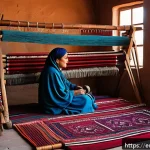
Their culture is rich with oral traditions, music, and crafts, especially carpet weaving. Visiting these tribes offers a unique window into a resilient way of life that blends ancient customs with modern challenges, making the desert not just a barren landscape but a vibrant cultural tapestry.