Hey wanderlusters! Are you dreaming of a journey that genuinely feels off the beaten path, a place where ancient history whispers from every corner and vibrant cultures burst with life?
Well, Central Asia has been buzzing on my radar lately, and for good reason! I’ve personally been diving deep into two fascinating neighbors that, on the surface, might seem similar, but offer vastly different adventures: Turkmenistan and Uzbekistan.
I’ve always been captivated by the legendary Silk Road, and trust me, these countries are its beating heart, though they each offer a uniquely distinct flavor of that ancient legacy.
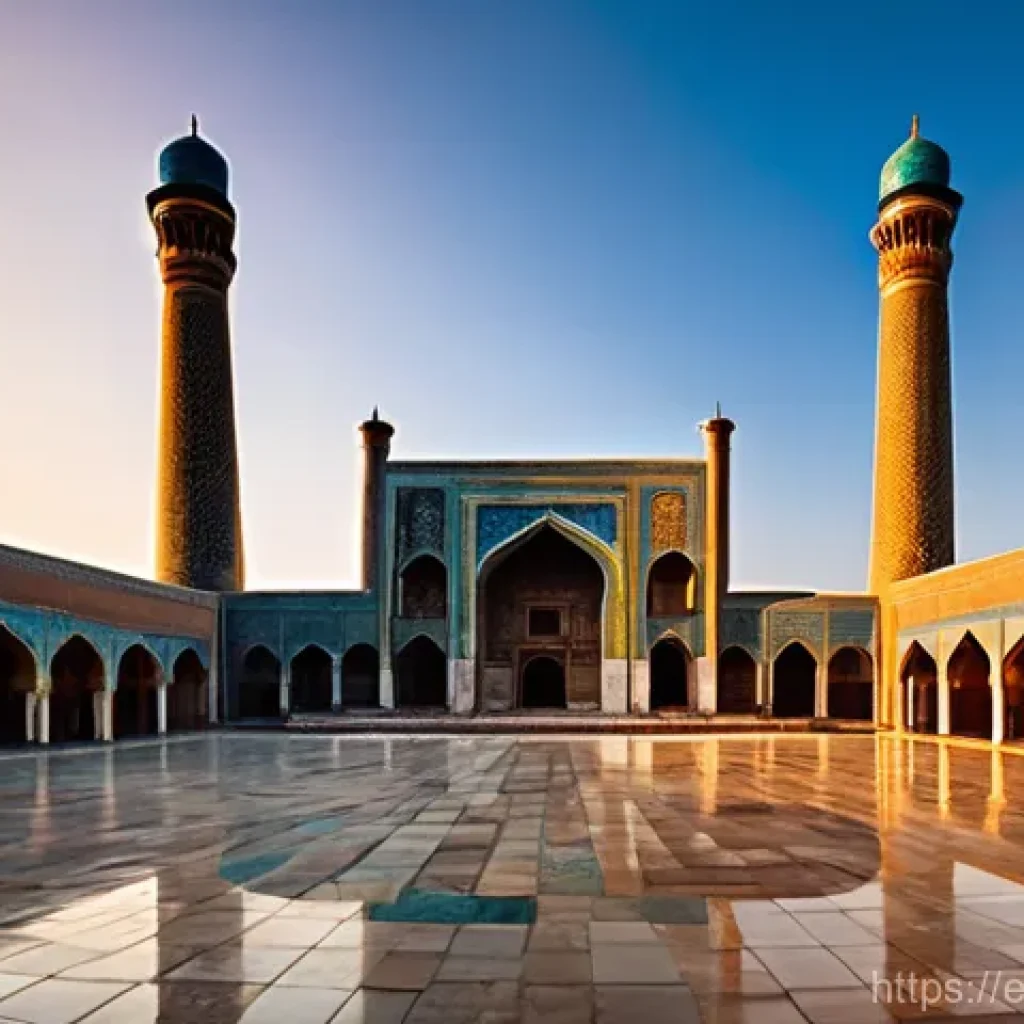
Uzbekistan, with its dazzling turquoise domes and bustling bazaars, is quickly becoming the region’s shining star. It’s seeing a huge surge in visitors who are eager to explore its accessible historical treasures and warm hospitality, with millions flocking there in 2025 alone.
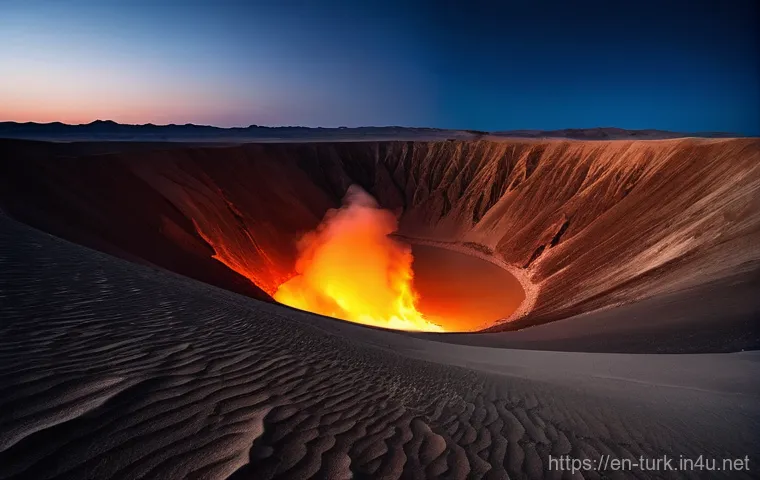
On the other hand, its enigmatic neighbor, Turkmenistan, holds an irresistible allure for the truly adventurous. It’s often described as a land of quirky wonders and tightly-guarded secrets, from the fiery Darvaza Gas Crater, famously known as the “Door to Hell,” to the stark white marble of its capital, Ashgabat.
My research shows that while Uzbekistan is embracing global tourism, Turkmenistan maintains a more exclusive, off-the-beaten-path appeal, yet it interestingly contributes a significant number of travelers to Uzbekistan.
This contrast truly makes you wonder: which one is calling your name for your next unforgettable journey? I’ve gathered some incredible insights to help us unravel the mysteries and marvels of these two captivating Central Asian gems.
Let’s dive in and discover exactly what makes each country so special!
Unveiling Ancient Echoes: Silk Road Spectacles
Uzbekistan’s Blue-Domed Grandeur
Stepping into Uzbekistan feels like walking straight into a history book, a vibrant, living testament to the Silk Road’s golden age. I mean, seriously, the first time I saw the Registan Square in Samarkand, my jaw practically hit the ground. It’s not just a collection of buildings; it’s an absolute symphony of turquoise domes, intricate mosaics, and towering minarets that shimmer under the Central Asian sun. Every angle offers a new masterpiece, and I found myself just sitting there for hours, soaking it all in, trying to imagine the caravans that once passed through. Then there’s Bukhara, a city so perfectly preserved it feels like a movie set. Its labyrinthine old town, with ancient madrasahs and bustling bazaars, is just begging to be explored. I remember getting happily lost in its narrow alleys, stumbling upon hidden courtyards and chatting with local artisans. It’s an immersive experience that truly connects you to the tales of merchants, scholars, and empires. The sheer scale and beauty of these sites are something you really have to see to believe; they effortlessly transport you back centuries, making history feel incredibly tangible. It’s easy to see why millions are flocking here; the access to these legendary places is unparalleled, and the feeling of wonder is constant.
Turkmenistan’s Mysterious Ancient Sites
Now, Turkmenistan offers a completely different vibe when it comes to ancient wonders, one that’s far more elusive and, frankly, a bit more raw. While Uzbekistan proudly displays its polished gems, Turkmenistan keeps its historical treasures under a veil of mystery, often requiring a bit more effort to reach. Take for instance, the ancient city of Merv. It’s a UNESCO World Heritage site, and once a sprawling metropolis, a vital hub on the Silk Road that rivaled the greatest cities of its time. But instead of grand, restored buildings, you find vast, atmospheric ruins stretching across the desert landscape. When I finally made it there, I was struck by the sheer scale of the desolation and the quiet power of what remained. It felt less like a museum and more like an archaeological expedition. You’re not just observing; you’re actively imagining the layers of history beneath your feet. It’s a place where the wind whispers stories of forgotten empires, and the silence amplifies the weight of centuries. It’s definitely not for the faint of heart, but for those who crave a deep, contemplative connection with history, away from the crowds, Merv is an absolute revelation. It felt like I was uncovering secrets, rather than just visiting famous landmarks, which, for me, was an incredibly rewarding experience.
Navigating the Gates: Entry & Exploration Realities
Uzbekistan’s Welcoming Embrace
If you’re looking for ease of access, Uzbekistan is practically rolling out the red carpet these days. Their visa policy has become incredibly traveler-friendly, with many nationalities enjoying visa-free entry or straightforward e-visa processes. This has been a game-changer, opening up this incredible destination to so many more people. I can tell you from personal experience, planning my trip there was remarkably smooth. Flights are becoming more frequent, and once you’re on the ground, the infrastructure for tourists is continually improving. You’ll find a good network of high-speed trains connecting major cities like Tashkent, Samarkand, and Bukhara, which makes getting around a breeze. I loved hopping on those trains – they’re comfortable, efficient, and offer a fantastic way to see the landscape change between the historical hubs. English is becoming more commonly spoken in tourist areas, and the local guides are typically excellent, eager to share their culture and history. It really feels like a country that genuinely wants to welcome you and make your visit as enjoyable as possible, which, as a traveler, is always a huge plus. It removes a lot of the stress, letting you focus entirely on the adventure.
Turkmenistan’s Exclusive Allure
Now, Turkmenistan, on the other hand, is a different beast entirely when it comes to entry and exploration. It’s famously one of the most difficult countries in the world to get a tourist visa for, often requiring an official Letter of Invitation (LOI) and a guided tour. Trust me, I’ve navigated this maze, and it requires patience and meticulous planning. It’s definitely not a “spontaneous trip” kind of place. While it might sound daunting, this very exclusivity is part of its unique appeal. When you finally do get in, you feel like you’ve unlocked a secret level of travel. Once inside, travel is usually arranged through your tour operator, often with a driver and guide. Independent travel is incredibly restricted, which means you’re often limited to pre-approved itineraries. This can feel a bit restrictive if you’re used to more freedom, but it also ensures a very curated, often deeply insightful, experience. English is far less common outside of guides, so having a local expert by your side is pretty much essential. It’s a destination that demands commitment, but for those who crave truly off-the-beaten-path adventures and a peek into a truly unique society, the effort is undeniably worth it. The feeling of being one of the few to explore its wonders is something truly special.
| Feature | Uzbekistan | Turkmenistan |
|---|---|---|
| Visa Requirements | Often visa-free or straightforward e-visa for many nationalities. | Generally requires a Letter of Invitation (LOI) and guided tour; visa application can be complex. |
| Ease of Travel | High-speed trains, improving tourist infrastructure, good local transport options. | Often requires pre-arranged tours with guides and drivers; independent travel is highly restricted. |
| Language Support | English increasingly common in tourist areas, readily available English-speaking guides. | English less common, essential to have a local guide for communication. |
| Tourism Volume | Rapidly growing, millions of visitors annually. | Very low, caters to niche adventure travelers seeking exclusivity. |
| Overall Accessibility | Highly accessible and welcoming to general tourists. | Known for its highly controlled and exclusive tourism experience. |
Architectural Wonders: From Dazzling Domes to Marble Cities
The Vibrant Mosaics of Samarkand and Bukhara
Uzbekistan’s architecture is, in a word, breathtaking. I mean, the photos don’t even do justice to the sheer vibrancy and intricate detail of the tilework you’ll find in places like Samarkand and Bukhara. It’s not just blue; it’s every shade of azure, turquoise, and cobalt, all coming together in mesmerizing geometric patterns and flowing calligraphy. When I first stepped into the Shah-i-Zinda necropolis, a street of mausoleums that glittered under the sun, it felt like walking through a jewel box. Each tomb, adorned with different patterns and hues, told its own silent story. And then there’s the Kalyan Minaret in Bukhara, a towering brick structure that has stood for centuries, surviving Genghis Khan’s invasion because he was so impressed by its beauty. I spent hours just gazing up at it, completely mesmerized by its elegant simplicity and imposing height. What truly struck me was not just the grandeur, but the meticulous craftsmanship that has endured for hundreds of years. You can almost feel the presence of the master artisans who poured their lives into creating these structures. It’s an architectural journey that engages all your senses, a feast for the eyes and a profound connection to the artistic legacy of the Silk Road. Every corner turned revealed another photo opportunity, another piece of history demanding to be admired.
Ashgabat’s White Marble Dreamscape
Now, if you want to talk about unique architecture, Turkmenistan’s capital, Ashgabat, is in a league of its own. It’s often dubbed the “City of White Marble,” and let me tell you, it lives up to the name. Picture this: entire streets lined with gleaming white marble buildings, punctuated by enormous golden statues and elaborate fountains. It’s an almost surreal, futuristic vision that feels utterly detached from the ancient Silk Road legacy. My first impression was one of utter disbelief – it’s a city that feels meticulously planned and almost devoid of human chaos. The sheer scale of the monuments, like the Independence Monument or the Neutrality Arch, is staggering. I remember walking past these colossal structures, feeling tiny in comparison, and thinking how deliberate and grand every single detail was. It’s a bold statement, a city built to impress and symbolize national pride, often with an eerie quietness. While some might find it a bit sterile compared to the bustling, lived-in feel of Uzbek cities, there’s no denying its unique aesthetic impact. It’s a truly unforgettable sight, a testament to a very specific vision, and it genuinely feels like visiting another planet. You won’t find anything quite like it anywhere else in the world, and that alone makes it a fascinating architectural study.
Culinary Journeys: Feasting Along the Silk Road
Uzbekistan’s Plov Paradise and Beyond
Oh, the food in Uzbekistan! If you’re a foodie like me, you are in for an absolute treat. I swear, I could write an entire blog post just about Uzbek plov. This isn’t just rice; it’s an art form, a symphony of flavors with tender lamb or beef, carrots, onions, and sometimes chickpeas or raisins, all cooked together in a giant kazan pot over an open flame. Every region has its own variation, and I made it my personal mission to try as many as possible – and believe me, each one was a revelation! I remember being invited to a local home for dinner in a small village outside Bukhara, and the plov they served, made with such love and generations of expertise, was hands down one of the best meals of my life. But it’s not just plov; there are delicious skewers of shashlik, hearty lagman noodles, flavorful samsa pastries baked in tandoor ovens, and a delightful array of fresh fruits and vegetables. The tea culture is also huge; every meal, every conversation, seems to revolve around a steaming piala of green tea. Eating in Uzbekistan is a communal, joyful experience, filled with warmth and incredible hospitality. It’s truly a culinary adventure that will leave your taste buds singing and your heart full.
Turkmenistan’s Hearth and Home Flavors
Turkmenistan’s cuisine, while perhaps less globally recognized than its Uzbek neighbor’s, offers its own distinct charm and a very authentic taste of Central Asian life. Because tourism is less developed, finding opportunities to experience local food often feels more like an organic discovery rather than something laid out for tourists. The diet is heavily influenced by their nomadic heritage, focusing on hearty, nourishing dishes, often meat-centric. I found that lamb and mutton are staples, frequently appearing in shashlik, or in “dograma,” a traditional dish of bread and meat. One of my favorite experiences was trying a dish called “gutap,” which are delicious, savory pastries often filled with pumpkin, meat, or spinach, and fried until golden. They’re simple, comforting, and absolutely perfect with a cup of black tea. Because public restaurants can be less common in some areas, I often found myself enjoying meals prepared by local families or as part of my tour. These were often some of the most memorable moments – sharing a meal around a low table, trying homemade bread and unique soups, and connecting with people over food. It’s a cuisine that feels incredibly genuine, reflective of the land and its traditions, and while it might not have the flashy reputation of its neighbors, it certainly offers a deep dive into authentic Turkmen culture. It was a real taste of what life is like for the locals, and I cherished those moments.
Beyond the Bustle: Natural Wonders and Unique Landscapes
Uzbekistan’s Diverse Natural Canvas
While Uzbekistan is justly famous for its historical cities, I was pleasantly surprised by the diversity of its natural landscapes once I ventured beyond the urban centers. Many travelers focus solely on the Silk Road cities, but there’s so much more to explore if you have the time! You’ve got the vast, empty expanses of the Kyzylkum Desert, offering incredible opportunities for camel treks and stargazing that will absolutely blow your mind. I remember spending a night in a yurt camp out in the desert, and the silence was profound, broken only by the crackle of the campfire. The starry sky was unlike anything I’d ever seen – a truly humbling experience. Then there are the Western Tian Shan mountains, which form part of a breathtaking range shared with neighboring countries. These provide stunning hiking opportunities, especially in areas like Chimgan, where you can escape the heat and enjoy lush valleys and crisp mountain air. And, of course, there’s the poignant Aral Sea region, a powerful and somber reminder of ecological change, which offers a stark, thought-provoking landscape for those interested in environmental tourism. It’s a testament to how much more there is to Uzbekistan than just its ancient cities, offering a fantastic blend of culture and nature for the adventurous traveler.
Turkmenistan’s Fiery Gates and Desert Gems
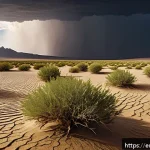
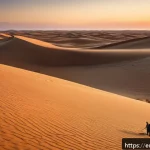
Now, when it comes to natural wonders, Turkmenistan has one undisputed heavyweight champion that has been calling to adventurers for decades: the Darvaza Gas Crater, famously known as the “Door to Hell.” And trust me, it lives up to the hype. Standing on the edge of that fiery pit in the middle of the Karakum Desert, watching the flames dance and roar against the dark night sky, is an experience that will stay with you forever. It’s utterly mesmerizing and a little bit terrifying all at once. I remember feeling the heat on my face and being completely awestruck by its raw, untamed power. But Turkmenistan’s natural beauty isn’t just about one fiery hole. The vast, undulating sand dunes of the Karakum Desert itself are incredibly beautiful, offering a stark, serene landscape that feels ancient and untouched. There are also unique geological formations, underground lakes, and hot springs hidden within the desert. Venturing into these areas often means embracing a more rugged form of travel, perhaps camping under the stars, which only enhances the feeling of true exploration. It’s a land where nature makes bold statements, and where the sense of vastness and solitude is incredibly profound. For those who seek the truly extraordinary and are willing to go the extra mile, Turkmenistan’s natural gems are absolutely unparalleled.
Connecting with Locals: Hospitality and Cultural Immersion
Warm Welcomes and Bustling Bazaars in Uzbekistan
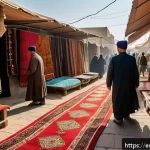
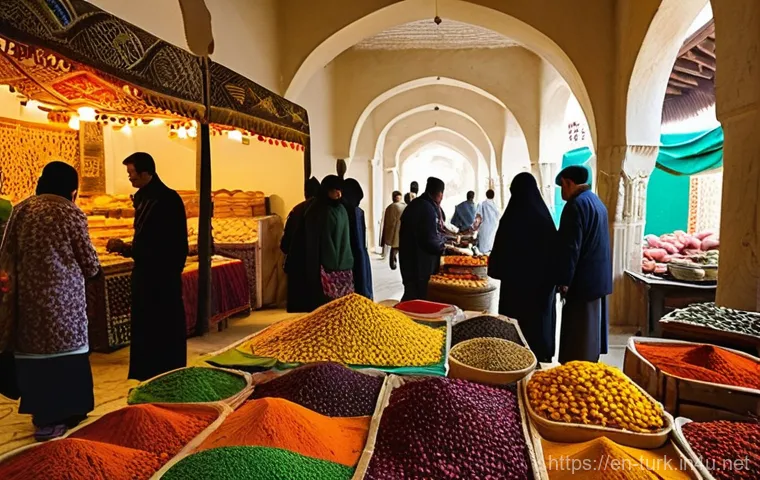
One of the most delightful aspects of my time in Uzbekistan was the incredible warmth and genuine hospitality of its people. They are truly eager to share their culture, their food, and their stories with visitors. I found that even a simple stroll through a local bazaar could turn into a memorable cultural exchange. Vendors, with bright smiles, would offer samples of dried fruits, nuts, or spices, often striking up conversations despite language barriers. I remember one woman at a spice stall in Bukhara who, after a brief exchange of broken English and hand gestures, insisted I try her homemade tea blend, refusing payment. These small, authentic interactions are what truly enrich a trip. Beyond the bustling markets, I was often invited for tea, or to watch traditional music and dance performances. It’s a country where communal life thrives, and visitors are often drawn into this vibrant social fabric. The sense of family and community is palpable, and I always felt a genuine sense of welcome, which makes all the difference when you’re exploring a new land. It’s a place where you don’t just see history; you experience the living culture through its people.
Discovering the Turkmen Way of Life
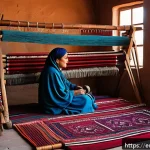
Connecting with locals in Turkmenistan presents a different, often more intimate, experience due to the country’s unique social structure and lower tourism volume. While Uzbekistan’s hospitality is often open and immediate, in Turkmenistan, interactions might require a little more time and often come through the mediation of a guide. However, once those connections are made, they are incredibly meaningful. I found that away from the grandiosity of Ashgabat, in smaller towns and villages, the traditional Turkmen way of life truly shines. You might have the chance to witness the incredible artistry of carpet weaving, a deeply ingrained cultural practice, or even be invited into a yurt for a cup of tea. These are not typically staged events; they are glimpses into daily life that feel incredibly authentic. The Turkmen people, though sometimes reserved at first, are proud of their heritage and their land, and once they open up, their warmth is undeniable. I remember a quiet evening with a family in a desert village, sharing simple food and listening to stories, and it felt like a rare privilege. It’s a country where you might not have as many casual interactions, but the ones you do have are often profound and give you a real insight into a culture that values tradition and community deeply. It’s a reminder that genuine connection transcends language.
Crafting Your Itinerary: Budgeting and Practicalities
Making Your Dollars Stretch in Uzbekistan
When it comes to travel budgeting, Uzbekistan offers fantastic value for money, especially compared to many other popular international destinations. Your dollars, or Euros, or whatever currency you’re bringing, will go a long way here. I found that accommodations, from charming guesthouses in Bukhara to comfortable hotels in Tashkent, were generally very affordable and often included breakfast. Transportation within the country, particularly those efficient high-speed trains, is also quite economical, allowing you to cover significant distances without breaking the bank. Food, as I’ve already raved about, is not only delicious but also incredibly budget-friendly, especially if you stick to local eateries and markets. You can enjoy hearty, authentic meals for just a few dollars. Entrance fees to historical sites are reasonable, and you’ll find plenty of opportunities for souvenir shopping at the bazaars without feeling pressured to overspend. Planning your itinerary is relatively straightforward, and you can easily put together a wonderful trip that balances historical exploration with cultural immersion, all while keeping a comfortable eye on your finances. It’s a destination that allows you to experience a rich cultural tapestry without having to save for years, which I absolutely love.
The Premium Experience of Turkmenistan
Now, Turkmenistan, by its very nature, tends to be a more premium travel experience, primarily due to its visa requirements and the necessity of engaging a tour operator. This means the overall cost of a trip here will generally be significantly higher than a comparable duration in Uzbekistan. The guided tour packages, which include visa support, transportation, accommodation, and often meals, make up the bulk of the expense. While it’s certainly possible to find more budget-conscious tours, the independent, shoestring travel model isn’t really an option here. However, it’s crucial to view this not as a drawback, but as an investment in a truly unique and exclusive adventure. What you’re paying for is not just access, but also the logistical expertise, the safety net of having local support, and the deep insights provided by experienced guides. I found that while the initial outlay was higher, the seamlessness of the experience, the access to remote areas, and the profound cultural understanding gained through my guide were absolutely worth every penny. It’s a destination that asks for a higher financial commitment, but in return, it delivers an unparalleled, once-in-a-lifetime journey that few get to experience. It’s about prioritizing a very specific, rare type of travel, and for the right adventurer, it’s an incredibly rewarding splurge.
Wrapping Things Up
Whew, what an incredible journey we’ve been on, right? Exploring the ancient whispers and modern marvels of Uzbekistan and Turkmenistan has truly been an eye-opening experience for me, and I hope for you too. It’s wild to think that these two countries, side-by-side, offer such vastly different yet equally captivating Silk Road adventures. From the bustling, vibrant energy of Uzbekistan’s historical centers to the quiet, mystical allure of Turkmenistan’s hidden gems, each destination leaves its own indelible mark. My heart genuinely feels fuller just remembering the vibrant colors, the incredible tastes, and the profound sense of history that permeates every corner. It’s a journey that really challenges your perceptions and opens your mind to a part of the world that’s often overlooked but is absolutely brimming with wonder. If you’ve been dreaming of an adventure that truly feels like stepping back in time while also experiencing something incredibly unique and modern, these two Central Asian jewels are calling your name!
Useful Information to Know
For those of you already itching to pack your bags and hit the Silk Road, here are some nuggets of wisdom I picked up along the way that I wish I knew before my first trip!
1. Cash is King, Even Today: While credit cards are becoming more accepted in larger hotels and some upscale restaurants in Tashkent, especially in Uzbekistan, always carry a good amount of local currency (Uzbekistani Sum or Turkmen Manat) for markets, smaller eateries, and daily expenses. Exchanging USD or Euros at official banks or exchange offices is generally straightforward and offers better rates than airports or hotels. You’ll find that many of the most authentic experiences happen where only cash is accepted, so don’t get caught without it!
2. Connectivity Can Be Tricky: In Uzbekistan, local SIM cards are readily available and affordable, offering decent data coverage in major cities. However, don’t expect lightning-fast speeds everywhere, especially outside urban areas. Turkmenistan is a different story; internet access is heavily controlled and often slow, so prepare to be digitally unplugged for much of your trip. Consider it a blessing in disguise – a chance to truly immerse yourself without constant pings and notifications. Offline maps and guidebooks are your best friends here!
3. Dress for Respect and Comfort: Both countries are predominantly Muslim, so dressing modestly is appreciated, especially when visiting religious sites. For women, this means covering shoulders and knees. A headscarf is often required for mosques and mausoleums, so carrying one with you is a smart move. Beyond that, wear comfortable, breathable clothing, as temperatures can vary widely depending on the season, especially in the desert regions. Layers are always a good idea for adapting to changing conditions throughout the day.
4. Embrace the Local Pace and Hospitality: Things often move at a slightly slower pace than you might be used to, and that’s part of the charm! Don’t rush; take the time to chat with locals (even with gestures if language is a barrier), accept offers of tea, and simply observe daily life. The hospitality, particularly in Uzbekistan, is legendary, and you might find yourself invited for a meal or a cup of chai. These unplanned interactions are truly the most memorable parts of the journey and will give you an authentic glimpse into the heart of the culture.
5. Understand the Visa Nuances Early On: This is a big one, especially if you’re considering Turkmenistan. Uzbekistan has become incredibly easy, often visa-free or with a simple e-visa process for many nationalities. Turkmenistan, however, requires meticulous planning, typically involving a Letter of Invitation (LOI) from a tour operator and a pre-arranged, guided tour. Start this process well in advance to avoid any last-minute stress or disappointment. Each country has its own distinct requirements, so a quick check on their respective embassy websites for your nationality is always the first step!
Key Takeaways
When it comes to experiencing the legendary Silk Road, Uzbekistan and Turkmenistan truly offer two distinct, yet equally enriching narratives. Uzbekistan, with its breathtakingly restored ancient cities like Samarkand and Bukhara, welcomes travelers with open arms, making it an ideal choice for those seeking vibrant cultural immersion, stunning architecture, and relatively easy travel logistics. It’s a place where history feels alive, where every corner turned reveals another layer of a rich, accessible past, and where the warmth of its people makes you feel instantly at home. For many, this is the perfect entry point into the wonders of Central Asia, balancing adventure with convenience.
Turkmenistan, on the other hand, presents a journey for the truly intrepid. Its allure lies in its exclusivity, its mysterious ancient sites like Merv that demand a deeper, more contemplative exploration, and the surreal modernity of Ashgabat. This is a destination for adventurers who crave the truly off-the-beaten-path, who are willing to navigate more complex visa procedures for the reward of discovering a unique, largely untouched culture and landscape. The effort invested in visiting Turkmenistan is repaid tenfold by the sense of profound discovery and the rare privilege of witnessing a society unlike any other. Ultimately, both countries offer an unforgettable encounter with history and culture, but they cater to different types of travel aspirations, allowing you to choose the Silk Road adventure that best suits your wanderlust.
Frequently Asked Questions (FAQ) 📖
Q: I’m planning my first trip to Central
A: sia! Between Uzbekistan and Turkmenistan, which one would you recommend for a smoother, more accessible experience, especially for someone new to the region?
A1: Oh, what an exciting question, and one I get asked constantly! If you’re dipping your toes into Central Asia for the very first time and want a genuinely smooth, enriching experience without too many logistical hurdles, I’d hands-down point you toward Uzbekistan.
From my own adventures, I’ve found that Uzbekistan has truly embraced global tourism in recent years. Getting your visa is generally straightforward, and their infrastructure for travelers—think comfortable trains between historic cities like Samarkand and Bukhara, plenty of charming guesthouses, and English-speaking guides—is developing rapidly.
It feels welcoming and open, making it easy to navigate the dazzling Silk Road cities and immerse yourself in the culture without feeling overwhelmed.
You’ll find a bustling energy in its bazaars and a warmth from the locals that just makes you want to stay longer. It’s the kind of place where every turn unveils a new marvel, and you can really connect with the ancient history without needing a degree in travel logistics!
Q: Both countries sound incredible! What are the absolute must-see highlights in each, especially if I’m looking for those ‘wow’ moments and have limited time?
A: That’s the million-dollar question, isn’t it? If you’re short on time but want to capture the essence of each, I’ve got you covered. In Uzbekistan, you simply cannot miss the Registan Square in Samarkand.
It’s not just a collection of madrassas; it’s a living, breathing masterpiece of turquoise and gold that genuinely takes your breath away, especially at sunset.
Then there’s Bukhara, a UNESCO gem that feels like stepping back in time with its narrow alleyways and ancient caravanserais. I remember getting lost there for hours, just soaking in the atmosphere—it’s pure magic.
For Turkmenistan, it’s all about the unique and often surreal. You absolutely have to make the journey to the Darvaza Gas Crater, famously known as the “Door to Hell.” Trust me, seeing that fiery pit glow under the desert stars is an experience you will tell stories about for the rest of your life; it’s otherworldly.
And of course, a quick stop in Ashgabat, the capital, is essential. Its dazzling, almost unreal white marble architecture has to be seen to be believed.
It’s a city unlike any other, a stark contrast to the ancient Silk Road charm you’ll find elsewhere. These spots, in my opinion, deliver the biggest “wow” factor for each country!
Q: You mentioned Uzbekistan is embracing tourism while Turkmenistan maintains an exclusive appeal. How do the overall travel experiences and the “vibe” really differ between these two captivating Central
A: sian gems? A3: This is where the true character of each country shines through, and it’s something I’ve really felt on my own trips and in talking to fellow travelers.
Uzbekistan, for me, has a vibrant, accessible, and very social energy. You’ll find yourself mingling with other tourists from around the globe, sharing stories in charming tea houses, and easily engaging with locals who are genuinely curious and welcoming.
It’s a country that feels like it’s opening up its arms to the world, making it incredibly rewarding for cultural immersion and photography. The “vibe” is one of bustling historical grandeur and friendly encounters.
Turkmenistan, on the other hand, offers a profoundly different experience—it’s more about the thrilling allure of the truly undiscovered. It feels like you’re on a privileged expedition, exploring a land of quirky wonders and tightly-guarded secrets.
The pace is slower, the tourist numbers are far fewer, and the encounters you have, while perhaps less frequent, often feel more profound and exclusive.
The “vibe” here is one of enigmatic adventure, quiet contemplation, and a sense of having truly gone off-the-beaten-path. It’s an unforgettable journey for those who crave a unique narrative and are ready to embrace the unexpected.
Both are incredible, but they cater to very different travel spirits!