Scientific research in Turkmenistan is shaped mainly by state institutions, higher education, and national development priorities. However, detailed public information on funding, research output, institutional capacity, and international partnerships can be limited.
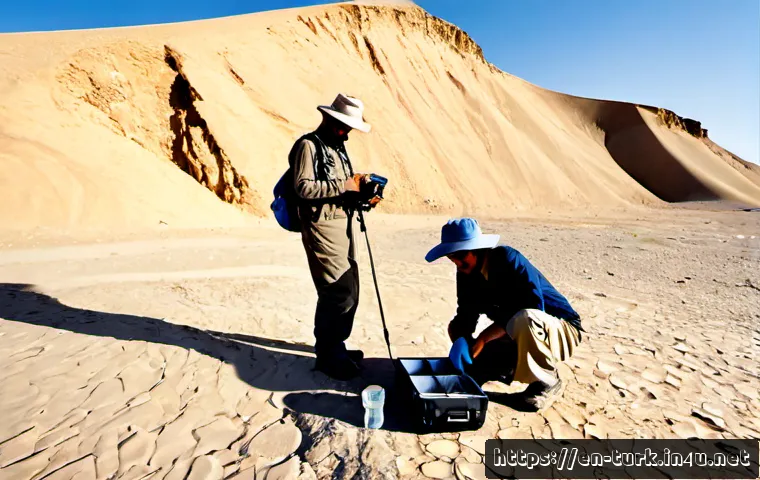
That makes it important to distinguish official statements from evidence that can be independently checked. Research should not be treated as a single national system with uniform visibility, since universities, academies, government bodies, and specialized institutes may play different roles.
A careful review of publications, databases, and institutional materials can offer a more balanced picture.
Overview of the Research Environment
Turkmenistan’s research environment is best understood through the institutions that organize and support it. Publicly visible activity may be connected to government priorities, while universities and specialized bodies can contribute through teaching, applied work, and technical development. The level of detail available to outside observers is not always consistent, so broad claims about national scientific strength require caution.
The role of state institutions and higher education
State institutions are likely to be central to how research priorities are set and carried out. Higher education institutions may support research alongside degree programs, while academies, government bodies, and specialized institutes may focus on more defined fields or practical needs. These categories should be examined separately rather than assumed to have the same resources, publication practices, or international connections.
Challenges in evaluating public research data
Detailed, publicly verifiable figures for research funding, discipline-level allocations, active projects, and institutional capacity may be difficult to find. The current scale of publication activity, citation impact, and international partnerships also requires case-by-case verification. Where information is incomplete, it is more accurate to describe a documented example than to infer a nationwide trend.
Key Areas of Scientific Activity
Available descriptions of scientific activity commonly point toward applied areas connected to national conditions and development needs. Natural resources, agriculture, environmental questions, health, engineering, and other applied sciences are useful categories for organizing research, but their present scale and exact priorities may vary and should be confirmed through current evidence.
Natural resources, agriculture, and environmental research
Research related to natural resources can be relevant to planning, technical development, and environmental management. Agriculture may involve work tied to production conditions, while environmental research can address issues associated with land, water, or resource use. A reliable assessment should identify the responsible institution, the stated research purpose, and any accessible results rather than relying only on a general subject label.
Health, engineering, and applied sciences
Health and engineering research may appear in university programs, government-linked initiatives, or specialized institutes. Applied science is often easier to describe in terms of a stated objective than in terms of measurable output, especially when project records and datasets are not openly available. Readers should avoid assuming that an announced initiative has produced published findings, completed trials, or long-term research capacity unless supporting material is available.
Research Institutions and Academic Pathways
Research activity may be distributed across universities, academies, government bodies, and specialized institutes. Each type of organization can have a different mandate: universities may combine instruction and research, academies may organize scholarly work, and specialized institutes may address narrower technical or sector-focused topics. The full number of institutions, their active projects, and their current capacity require confirmation from current sources.
Universities, academies, and specialized institutes
When reviewing an institution, look for clear information about its research units, staff affiliations, ongoing projects, publications, and partnerships. Institutional websites and announcements can explain formal priorities, but they may not provide enough evidence to measure output or research quality. External publications, conference records, and independently indexed work can add useful context.
| Source type | What it can show | What to check |
|---|---|---|
| Official institutional material | Stated priorities, organizational structure, announced projects | Whether results, methods, or independent records are available |
| Peer-reviewed publications | Externally visible studies and author affiliations | Coverage may not include all domestic research |
| International databases | Indexed publications, citations, and collaboration signals | Database scope and possible gaps in local-language output |
International Collaboration and Research Visibility
International visibility can be explored through peer-reviewed journals, conference participation, co-authored work, and external research databases. These sources can help identify research that has entered wider academic channels. They do not, however, represent every domestic project, report, or institution.
Publications, conferences, and external databases

Searches should use more than one approach: institution names, author affiliations, subject terms, and possible variations in transliteration. A small number of visible records does not automatically mean that no research is occurring, just as official announcements alone do not establish international impact. Current publication volumes, citation patterns, and partnership levels should be treated as matters requiring up-to-date checking.
How to Evaluate Sources on Turkmen Science
A sound assessment combines official information with independently verifiable evidence. Official announcements are useful for identifying stated plans, institutional roles, and public events. Stronger claims about funding, results, access to data, or collaboration should be supported by publications, database records, conference materials, or other traceable documentation.
Separating official announcements from independently verifiable evidence
Start by asking what a source actually proves. An announcement may confirm that a program, meeting, or project was presented, but it may not establish the project’s scale, completion, or scientific outcome. Check dates, authors, institutional affiliations, publication status, and whether the same claim appears in a credible external record. The latest rules affecting research access, data sharing, and academic collaboration should also be verified directly, as they may change.
Closing Thoughts
Scientific research in Turkmenistan should be approached with both interest and care. State-linked institutions, universities, and specialized organizations may all contribute, but public visibility is uneven. The most useful picture comes from comparing official descriptions with published and externally indexed evidence. Where the record is incomplete, acknowledging the gap is more reliable than filling it with assumptions.
Useful Points to Remember
1. Assess universities, academies, government bodies, and specialized institutes separately.
2. Use peer-reviewed work and international databases to identify externally visible research.
3. Treat missing public data as a verification issue, not proof of either strong or weak activity.
4. Check current rules and partnership information directly when research access or collaboration matters.
Key Takeaways
Turkmenistan’s research landscape is closely connected to public institutions and applied national priorities, but detailed information on budgets, capacity, outputs, and partnerships may be limited. Careful source comparison is therefore essential. Official materials provide context, while publications, conference records, and external databases can help test what is independently visible.
Frequently Asked Questions
Q1. What are the main areas of scientific research in Turkmenistan?
A1. Research can be discussed in areas such as natural resources, agriculture, environmental research, health, engineering, and other applied sciences. The current scale and priorities within each area may vary, so specific claims should be checked against recent institutional or published evidence.
Q2. Which institutions conduct research in Turkmenistan?
A2. Research may take place through universities, academies, government bodies, and specialized institutes. Their exact roles, capacity, and active projects can differ, and the full current institutional picture requires verification.
Q3. How can researchers find reliable data on Turkmenistan’s scientific output?
A3. Use a combination of institutional sources, peer-reviewed publications, conference records, and international research databases. Search by author, affiliation, institution, and subject area, then distinguish official announcements from evidence that can be independently verified.