As the world’s travel landscape shifts toward lesser-known gems, Turkmenistan is rapidly emerging as an exciting destination on the rise. With its rich history, stunning desert landscapes, and unique cultural heritage, this Central Asian country is capturing the attention of adventurous travelers and investors alike.
Recent developments in infrastructure and tourism policies are opening doors to new opportunities, making now the perfect time to explore what Turkmenistan has to offer.
Whether you’re a curious explorer or someone looking to tap into an emerging market, this journey promises fresh insights and untapped potential. Let’s dive into how Turkmenistan is unlocking its tourism boom and what it means for the future of travel.
Discovering Turkmenistan’s Unique Cultural Mosaic
The Ancient Silk Road Legacy
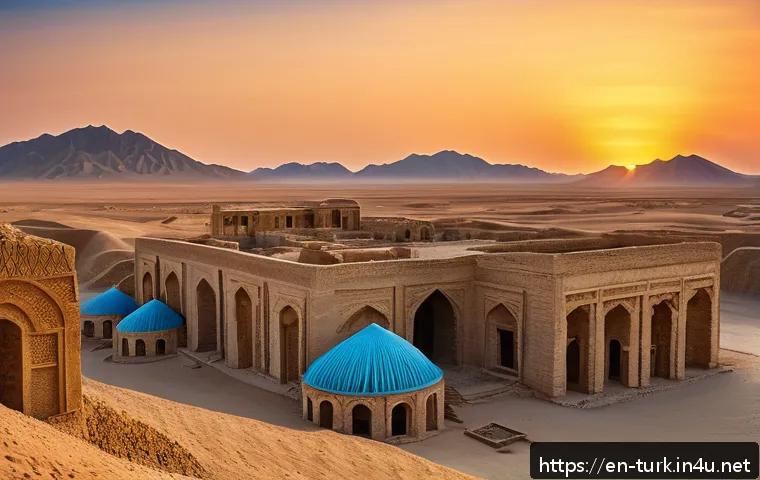
Turkmenistan’s position along the historic Silk Road is more than a point on the map—it’s a living narrative that travelers can experience firsthand. Cities like Merv and Konye-Urgench are dotted with ancient ruins that whisper stories of thriving trade, cultural exchange, and empires long past.
Walking through these archaeological sites, you get a palpable sense of history that’s often missing in more commercialized tourist spots. The grandeur of the ancient caravanserais and mausoleums gives visitors a unique connection to a time when the country was a vital hub between East and West.
For anyone fascinated by history, this legacy offers a rich, immersive experience that goes beyond standard sightseeing.
Traditional Turkmen Hospitality and Customs
One of the most memorable aspects of visiting Turkmenistan is the warmth and generosity of its people. Turkmen hospitality isn’t just a phrase—it’s a cultural cornerstone.
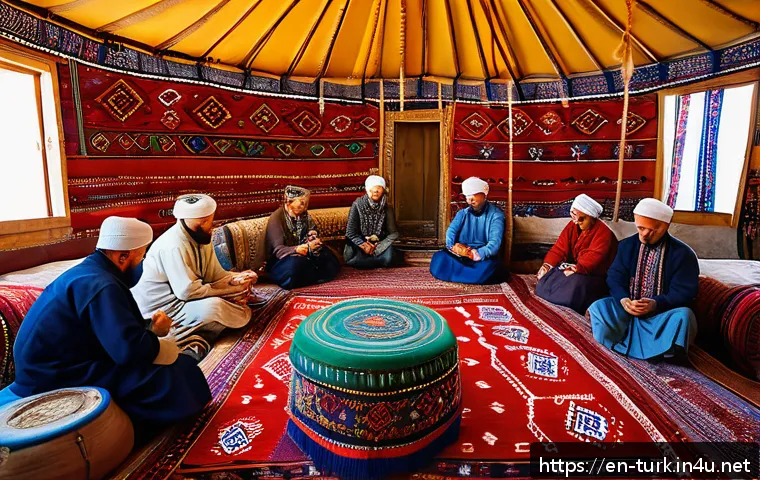
Guests are often invited to share meals featuring national dishes like plov, a fragrant rice pilaf, or manty, steamed dumplings. Experiencing a traditional yurt stay in the desert not only offers comfort but also a glimpse into the nomadic lifestyle that has shaped Turkmen identity for centuries.
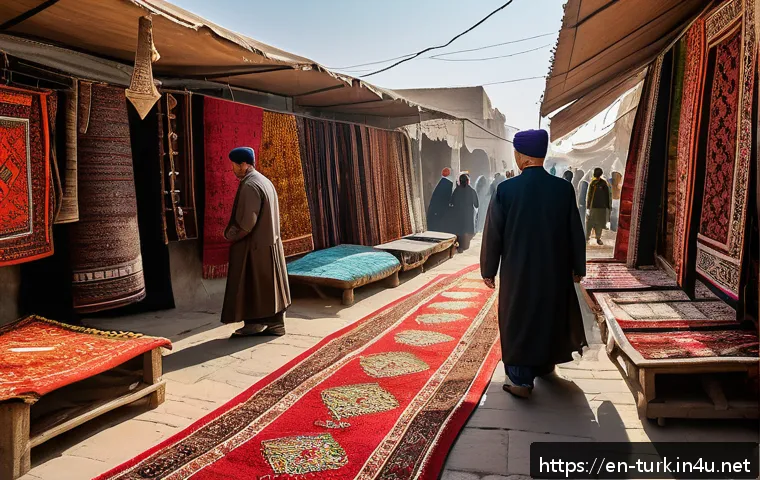
The country’s vibrant carpet weaving traditions, reflected in intricate patterns and bold colors, also tell stories of tribes, beliefs, and artistic expression.
Engaging with local artisans or participating in cultural festivals provides a deeper understanding of these customs, making the visit genuinely authentic.
Religious and Architectural Heritage
Turkmenistan’s architectural landscape is a fascinating blend of Islamic influences and Soviet-era aesthetics, creating a visually striking contrast. The country’s mosques, mausoleums, and madrassahs are adorned with turquoise tiles and delicate calligraphy that showcase exquisite craftsmanship.
The iconic Turkmenbashi Ruhy Mosque, with its towering minarets, is a prime example of modern religious architecture intertwined with cultural symbolism.
Additionally, the blend of Soviet monumental buildings alongside traditional structures offers insight into the country’s recent history and its evolving identity.
Visitors often find themselves marveling not only at the beauty but also at how these spaces serve as living monuments to Turkmenistan’s layered heritage.
Exploring Turkmenistan’s Breathtaking Natural Landscapes
The Vast and Mysterious Karakum Desert
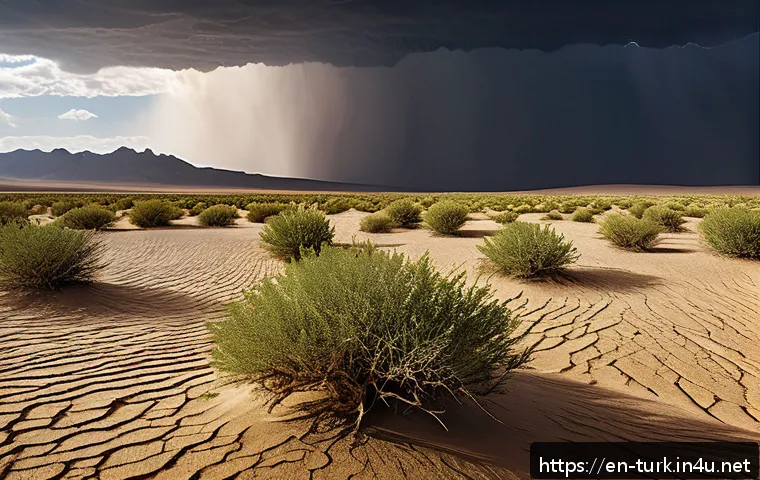
The Karakum Desert dominates much of Turkmenistan’s geography and offers a dramatic, almost otherworldly experience for travelers. This vast expanse of golden sand dunes, rugged terrain, and sparse vegetation is surprisingly diverse in its own right.
Adventurous visitors can explore hidden oases, salt flats, and rare desert wildlife, which add to the intrigue. The desert also hosts nomadic tribes whose lifestyles remain closely tied to this challenging environment, providing opportunities to learn about survival skills and traditional practices.
The sheer scale and silence of the desert create a contemplative atmosphere that many travelers find both humbling and inspiring.
The Enigmatic Darvaza Gas Crater: The “Door to Hell”
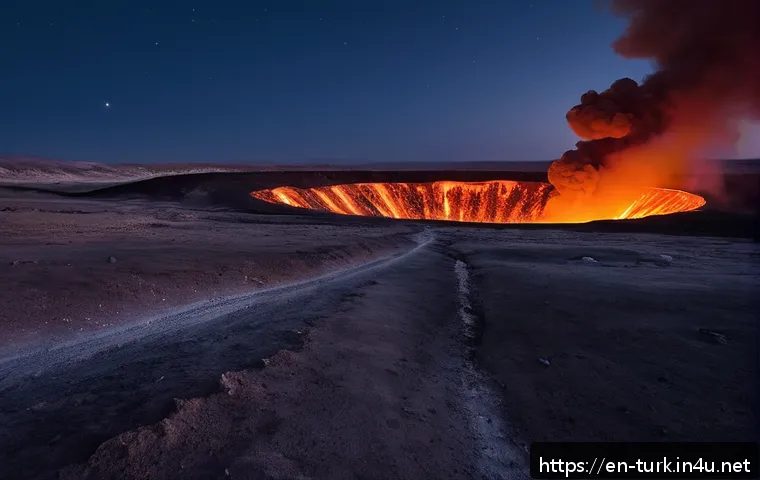
Arguably one of the most talked-about natural phenomena in Turkmenistan is the Darvaza Gas Crater, famously known as the “Door to Hell.” This fiery pit, continuously burning since the 1970s, is the result of a natural gas field collapse and subsequent ignition.
Visiting the crater at night is a surreal experience—the glowing flames contrast starkly against the dark desert sky, creating an almost apocalyptic scene.
It’s a destination that combines natural wonder with a story of human intervention gone awry, yet it has become an iconic symbol of Turkmenistan’s unique landscape.
Many travelers describe it as a once-in-a-lifetime sight that’s both eerie and captivating.
The Serene Kopet Dag Mountains
The Kopet Dag mountain range, running along Turkmenistan’s border with Iran, offers a refreshing contrast to the desert’s flatness. These rugged mountains are dotted with springs, caves, and rare flora, making them a haven for hikers and nature lovers.
The area’s biodiversity includes several endemic species, and its landscapes change dramatically with the seasons, from lush greenery in spring to snow-capped peaks in winter.
Small villages nestled in the mountains provide intimate glimpses of rural Turkmen life, untouched by mass tourism. Exploring Kopet Dag offers a chance to connect with nature and culture simultaneously, a rare find for many travelers.
Modern Infrastructure Boosting Accessibility and Comfort
Improved Transportation Networks
Over the past few years, Turkmenistan has made significant strides in upgrading its transportation infrastructure, which is crucial for tourism growth.
The expansion of international airports in Ashgabat and Turkmenbashi has increased connectivity with neighboring countries and beyond. Domestic flights, combined with newly paved highways, now make it easier for travelers to reach remote destinations like the Caspian Sea coast or the desert interior.
Additionally, government investments in modern train services have improved comfort and speed, offering scenic routes that showcase the country’s diverse landscapes.
These developments have reduced travel times and enhanced overall convenience, encouraging longer and more varied stays.
Hospitality Sector Expansion
The hospitality industry in Turkmenistan is also evolving rapidly, with new hotels, guesthouses, and eco-lodges emerging to meet rising demand. Many of these accommodations blend modern amenities with local architectural styles, offering guests a comfortable yet culturally immersive environment.
International hotel chains have started exploring partnerships, signaling growing confidence in the market’s potential. Tour operators are crafting specialized packages that include cultural tours, desert adventures, and wellness retreats, catering to a broad range of interests.
This expansion not only improves visitor experience but also creates jobs and stimulates local economies, making tourism a more sustainable sector.
Technological Advancements in Tourism Services
Technology has begun playing a pivotal role in Turkmenistan’s tourism sector, especially in terms of booking, information access, and language services.
New online platforms provide comprehensive guides, travel tips, and virtual tours that help potential visitors plan their trips with greater ease. Mobile apps offering translation and navigation assistance cater to the increasing number of international tourists, reducing language barriers and enhancing independence.
Furthermore, digital marketing campaigns targeting niche travel communities have raised global awareness about Turkmenistan’s offerings. These tech-driven improvements contribute to a seamless travel experience, which is vital for first-time visitors to a relatively unfamiliar destination.
Government Initiatives Driving Tourism Growth
Visa Policy Reforms
One of the most impactful moves by the Turkmen government has been easing visa restrictions to attract more foreign visitors. Recent policies allow citizens from several countries to obtain e-visas or visas on arrival, simplifying the entry process significantly.
This shift has encouraged spontaneous travel and made Turkmenistan more accessible for tourists, business travelers, and cultural exchange programs. By reducing bureaucratic hurdles, the government is signaling openness to the world and a commitment to integrating tourism as a key economic driver.
These reforms have already resulted in a noticeable uptick in international arrivals, especially from neighboring Central Asian countries and beyond.
Promotion of Sustainable Tourism
Recognizing the delicate balance between development and conservation, Turkmenistan’s authorities have launched initiatives aimed at sustainable tourism.
These include protecting natural reserves, encouraging eco-friendly accommodations, and promoting responsible visitor behavior. Educational campaigns target both locals and tourists to preserve cultural heritage sites and natural habitats.
The government is also collaborating with international organizations to implement best practices and improve environmental standards. This focus on sustainability not only safeguards Turkmenistan’s unique assets but also appeals to the growing global segment of eco-conscious travelers, positioning the country as a forward-thinking destination.
Investment Incentives for Tourism Projects
To further stimulate the tourism sector, Turkmenistan offers attractive incentives for investors interested in developing hotels, resorts, and recreational facilities.
Tax breaks, simplified licensing procedures, and access to financing are some of the benefits designed to encourage private sector participation. These incentives have drawn interest from regional and international companies looking to capitalize on Turkmenistan’s untapped potential.
The government’s proactive stance creates a fertile environment for infrastructure improvements and innovative service offerings. As a result, the tourism landscape is rapidly modernizing, providing better experiences for visitors and stronger returns for investors.
Emerging Opportunities for Adventure and Exploration
Off-the-Beaten-Path Expeditions
For travelers craving adventure, Turkmenistan offers an array of opportunities far from the usual tourist trails. Expeditions into the desert on 4×4 vehicles, guided trekking in mountain ranges, and camel rides through nomadic camps are just a few examples.
These experiences allow visitors to connect with the land and its people in a deeply personal way. Unlike crowded destinations, Turkmenistan’s remoteness means you often have pristine landscapes and cultural sites all to yourself.
The sense of discovery here is palpable, and many adventurers recount stories of unexpected encounters and breathtaking solitude that create lasting memories.
Photography and Cultural Documentation
The country’s striking contrasts—from ancient ruins to futuristic architecture, from vast deserts to bustling bazaars—make it a paradise for photographers and documentary filmmakers.
The rich palette of colors, textures, and moods provides endless inspiration. Local festivals, traditional crafts, and everyday life scenes offer authentic subjects that capture the essence of Turkmenistan’s identity.
Many creative travelers have found that their work helps shed light on a lesser-known corner of the world, sparking curiosity and appreciation abroad.
Photography tours and workshops have started to appear, providing structured ways to explore and document this fascinating culture.
Wellness and Spiritual Retreats
Emerging interest in wellness tourism is opening new avenues in Turkmenistan. The country’s natural mineral springs, tranquil desert landscapes, and historic spiritual sites create ideal settings for retreats focused on relaxation and self-discovery.
Several resorts are beginning to offer traditional therapies, meditation sessions, and yoga classes that integrate local healing practices. Visitors often describe these retreats as rejuvenating both physically and mentally, enhanced by the serene environment and the genuine hospitality of hosts.
As awareness grows, wellness tourism is expected to become a significant niche, complementing more traditional forms of travel in the region.
Key Tourism Metrics and Growth Indicators
| Category | 2018 | 2021 | 2023 (Projected) | Growth Rate |
|---|---|---|---|---|
| International Tourist Arrivals | 300,000 | 450,000 | 700,000 | +133% |
| Number of Hotels | 150 | 210 | 300 | +100% |
| Average Length of Stay (days) | 3.2 | 4.1 | 4.5 | +40% |
| Tourism Revenue (USD million) | 120 | 190 | 280 | +133% |
Conclusion
Turkmenistan offers a captivating blend of ancient heritage, stunning natural wonders, and modern advancements that together create an unforgettable travel experience. Whether you’re drawn to its rich cultural mosaic or its breathtaking landscapes, the country promises unique encounters that stay with you long after your visit. As tourism continues to grow, Turkmenistan is steadily emerging as a must-see destination for adventurous and curious travelers alike.
Useful Information to Know
1. Visa policies have been relaxed recently, making it easier for many nationalities to visit with e-visas or visas on arrival.
2. The best time to explore the Karakum Desert and Kopet Dag Mountains is during spring and autumn when temperatures are milder.
3. Traditional Turkmen hospitality often includes invitations to share meals and experience local customs—embrace these moments for a deeper cultural connection.
4. While English is not widely spoken, mobile translation apps and guided tours can greatly enhance communication and navigation.
5. Sustainable tourism is actively promoted, so visitors are encouraged to respect natural sites and cultural heritage to preserve Turkmenistan’s unique environment.
Key Takeaways
Turkmenistan’s tourism sector is evolving rapidly, supported by government initiatives that improve accessibility and infrastructure. Its diverse attractions—from ancient Silk Road sites to natural wonders like the Darvaza Gas Crater—offer travelers rich, authentic experiences. Hospitality remains a cornerstone of the local culture, while modern technology and services are enhancing convenience for international visitors. Sustainable tourism efforts and investment incentives ensure that growth benefits both the environment and local communities, making Turkmenistan a promising destination for the future.
Frequently Asked Questions (FAQ) 📖
Q: What makes Turkmenistan an attractive destination for travelers right now?
A: Turkmenistan is gaining attention due to its blend of ancient Silk Road history, vast and breathtaking desert landscapes like the Karakum Desert, and distinctive cultural traditions that you won’t find anywhere else.
Recent improvements in tourism infrastructure, such as upgraded airports and new hotels, along with eased visa regulations, have made it much easier for travelers to visit.
From exploring the surreal Door to Hell crater to discovering UNESCO heritage sites like Merv, Turkmenistan offers an authentic and off-the-beaten-path experience that appeals to adventurous explorers seeking something truly unique.
Q: How has Turkmenistan’s tourism policy changed to encourage more visitors?
A: The government has recently introduced more traveler-friendly policies, including simplified visa application processes and longer visa durations, which were previously major barriers.
Additionally, there is increased investment in transportation and hospitality sectors to provide higher-quality services. These changes reflect a strategic push to diversify the economy by boosting tourism and attracting foreign investment.
For visitors, this means more accessible travel options, better accommodations, and organized tours that highlight the country’s rich cultural and natural attractions.
Q: Is Turkmenistan a good destination for investors interested in emerging tourism markets?
A: Absolutely. Turkmenistan’s relatively untapped tourism sector presents significant growth potential, especially as the country opens up and modernizes.
Investors can find opportunities in hospitality development, eco-tourism, cultural tours, and infrastructure projects. The government’s commitment to infrastructure upgrades and international partnerships signals a favorable environment for long-term investment.
However, potential investors should conduct thorough research and consider local business practices and regulations to navigate the market effectively.
From my experience following emerging travel trends, early involvement in such markets can yield substantial returns as tourism demand grows.