A wedding in Turkmenistan is often a family-centered celebration where hospitality, shared food, music, clothing, and gifts may all matter, but the exact customs depend on the household and setting.
The most respectful approach is to confirm expectations with the hosts before choosing clothes, bringing a gift, taking photos, or making travel arrangements.
Foreign guests may find a bilingual local guide or interpreter helpful when invitations, formal events, or family communication involve more than simple travel planning.
This is not always necessary, especially when hosts can communicate clearly and provide practical guidance. For a cross-cultural celebration, local event-planning support can also help clarify arrangements without assuming that one family’s practice represents the whole country.
Good preparation is mainly about asking considerate questions early.
At a Glance
- Wedding traditions in Turkmenistan can vary by family, region, background, and level of formality.
- Confirm the hosts’ expectations for dress, gifts, photography, and timing before attending.
- For formal events or language-sensitive situations, consider local guide services or interpreter support.
| Attendance Approach | Benefits | Limitations | Questions to Ask |
|---|---|---|---|
| Independent attendance | Direct contact with hosts and fewer arrangements with outside providers. | May be harder if language, schedules, or family expectations are unclear. | Who should I contact? What should I wear? Are photos and gifts expected? |
| Local cultural guide | Can provide context on local customs and help with practical communication. | The guide should not replace the hosts’ own preferences. | What local experience do you have, and what support is included? |
| Interpreter or event-support provider | Useful for invitations, formal conversations, and coordination between families. | Language support does not guarantee knowledge of every family’s traditions. | Which languages do you cover? Are fees and services explained clearly? |
What to Expect at a Turkmen Wedding
Family Involvement, Hospitality, and Celebration Formats
Turkmen weddings are commonly family-centered celebrations. Extended relatives may have an important role in preparations, hosting, and welcoming guests. Hospitality is a meaningful social value, so visitors may be offered tea, substantial food, and opportunities to join shared celebrations.
Music, dance, communal meals, and gift-giving may be part of wedding-related events. However, an invitation does not automatically explain the full schedule. A guest should ask the host or a trusted contact which parts of the celebration they are invited to attend and whether there are any practical expectations for arrival or participation.
Why Customs Can Differ Between Households and Regions
There is no single script for every wedding in Turkmenistan. Customs may differ according to region, ethnic background, urban or rural setting, family preferences, and formality. One household may place more emphasis on traditional dress, while another may organize a different balance of civil, religious, and family elements.
It is better to describe what you have been invited to as this family’s celebration rather than treating it as a nationwide rule. That simple distinction shows respect and prevents awkward assumptions.
The Three Things Guests Should Confirm Before Attending
First, confirm dress expectations, including whether more formal or traditional clothing is appropriate. Second, ask about gifts: a cash contribution, a physical present, or another gesture may be preferred, but this is not something visitors should guess. Third, clarify photography and timing, especially if you plan to take pictures or share images later.
Wedding Traditions, Clothing, and Ceremonial Details
Traditional Attire and Jewelry in Celebratory Settings
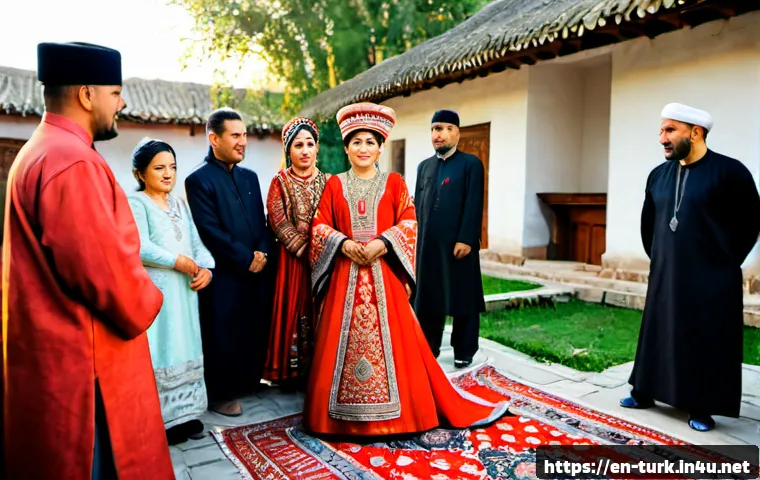
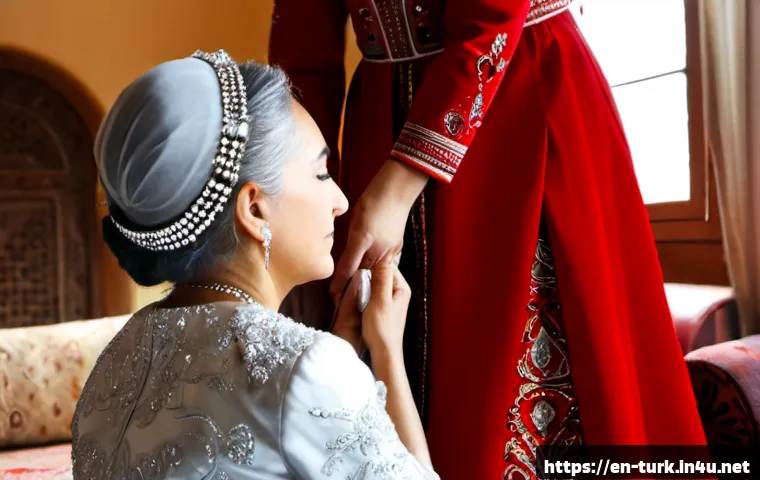
Traditional clothing can be significant in ceremonial and celebratory settings. Richly decorated dresses and jewelry may be visually important parts of a wedding occasion. Guests do not need to imitate the couple or family’s clothing, but they should avoid assuming that casual travel wear will fit every event.
A respectful choice is usually clean, modest, and appropriate for the formality described by the hosts. If the invitation is unclear, ask a direct question rather than relying on images from unrelated weddings.
Civil, Religious, and Family Elements: What May Coexist
Marriage may involve civil registration, while religious or family traditions can also be meaningful depending on the couple and household. The sequence and importance of these elements are not fixed for every celebration. Guests should not presume which ceremony will take place, who may attend, or what participation is expected.
For intercultural couples, a bilingual interpreter can be useful when families need to discuss the meaning of an event, invitations, or practical arrangements. The interpreter’s role should be clear: accurate communication is more helpful than making assumptions on behalf of either family.
Music, Food, and Social Participation
Music, dance, and shared meals may be part of the social atmosphere. Guests may be encouraged to eat, drink tea, speak with relatives, or take part in the celebration. Accepting hospitality warmly is generally a considerate response, but it is also fine to follow the host’s lead if you are unsure when to join an activity.
Do not assume details about alcohol, seating, gender roles, or participation in ceremonies. These are family-specific matters that should be confirmed respectfully.
Guest Etiquette: Gifts, Dress, Photos, and Conversation
Choosing Respectful Clothing Without Making Assumptions
Ask what level of formality is expected and whether there are any family preferences. A guest can say, “I would like to dress respectfully for your celebration. Is there anything you recommend?” This is clearer and more useful than asking for a general national rule.
Dress guidance should come from the hosts whenever possible. A local cultural guide may help explain the answer, but the family’s preference remains the most relevant one.
Asking Before Taking Photographs or Sharing Images
Photography can be sensitive at a family event. Ask before taking close photos of people, ceremonial moments, food arrangements, or traditional attire. Also ask before posting images online, even if photos were welcomed during the event.
If language makes this difficult, interpreter support can reduce misunderstandings. A short, clear request for permission is better than assuming that a public celebration means unrestricted sharing.
Gift Expectations and How to Clarify Them Politely
Gift-giving may be part of wedding-related events, but the appropriate form of contribution is unknown until the hosts clarify it. Do not assume that cash is always expected, that a physical gift is always preferred, or that one guest’s experience applies to another family.
A polite question is: “Would you prefer a gift, a contribution, or simply our presence?” If practical payment arrangements are involved, confirm them directly. The Turkmen manat (TMT) is the national currency, but visitors should check payment details with hosts or local providers rather than making assumptions.
Planning a Visit: Local Guide, Interpreter, or Independent Attendance?
Comparison: Cost, Convenience, Language Support, and Cultural Confidence
Independent attendance may be enough when the hosts can communicate clearly, the invitation is straightforward, and travel arrangements are already understood. A guide or interpreter may be more useful when a visitor is attending a formal family event, coordinating between languages, or trying to understand an unfamiliar schedule.
Do not assume current venue prices, catering costs, photography rates, or event-service availability. If you are considering event-planning support, request a clear explanation of services and fees before booking.

When an Interpreter Can Reduce Misunderstandings
An interpreter can be useful for discussing invitations, transportation plans, family introductions, or ceremonial expectations. This may be especially valuable for intercultural couples or invited foreign guests who do not share a common language with key family members.
The best support is practical and transparent. Ask whether the interpreter understands the event context, which languages they work in, and whether they are available only for a meeting or for a larger portion of the celebration.
Questions to Ask a Guide or Event-Support Provider Before Booking
- What experience do you have with cultural visits, family events, or wedding-related support?
- Which languages can you interpret accurately?
- What is included in your service, and what is not included?
- How are fees explained, and are there separate travel or coordination costs?
- Will you follow the hosts’ guidance if family preferences differ from general customs?
Common Mistakes to Avoid at a Family Celebration
Treating One Family’s Practice as a Nationwide Rule
A wedding invitation is an opportunity to learn from the people hosting you, not a reason to generalize. Even familiar elements such as clothing, food, music, and gift-giving can have different meanings or levels of importance from one household to another.
Assuming Schedules, Seating, or Dress Expectations
The exact sequence, size, and duration of an individual wedding are not predictable from general cultural information. Confirm when to arrive, where to go, whether there is a particular seating arrangement, and what type of clothing is suitable. A simple message before the event can prevent unnecessary discomfort.
Forgetting Travel, Payment, and Communication Arrangements
International visitors should confirm entry, travel, and visa requirements at the time of travel. They should also clarify transportation, contact details, and payment arrangements directly with relevant hosts or providers. These practical details are separate from cultural etiquette, but they can affect the entire visit.
Choosing Cultural Support for a Wedding Visit
Selection Criteria: Local Experience, Language Skills, References, and Transparent Fees
Choose cultural support based on relevant local experience, clear language ability, dependable references, and transparent pricing. A provider should explain what they can help with, such as interpretation, local coordination, or cultural context, without presenting themselves as the authority over a particular family’s wishes.
When comparing local guide services or event-support providers, look for a clear scope of work. Ask who will be your main contact, which communication needs they can handle, and how payment will be arranged.
When Independent Travel May Be Enough
Independent travel may be a practical choice when the hosts provide clear information, language communication is comfortable, and the visit involves no complicated coordination. It can also work well when your role is simply to attend as an invited guest and follow the family’s instructions.
If important details remain unclear, support may be worth considering. The goal is not to make a family celebration feel overly formal; it is to communicate respectfully and avoid preventable misunderstandings.
A Final Pre-Event Checklist for Guests and Couples
- Confirm the date, time, location, and expected duration with the hosts.
- Ask about dress, gifts, photos, and any parts of the event that require special etiquette.
- Check travel, entry, and communication arrangements at the time of your visit.
- Clarify payment details directly if transport, a guide, or event coordination is involved.
- Keep the hosts’ preferences ahead of general cultural assumptions.
Selection Criteria and Comparison Summary
Before deciding whether to attend independently or use cultural support, check five points: host communication, language needs, event formality, travel coordination, and transparent service fees. A bilingual guide or interpreter can be helpful when important conversations may be difficult across languages. Independent attendance may be sufficient when hosts provide clear, direct guidance. For any local guide, interpreter, or event-support provider, review the service details, language coverage, local experience, and payment conditions on the relevant provider page before making arrangements.
In Closing
Respectful wedding attendance in Turkmenistan starts with one basic idea: let the hosts guide the experience. Family involvement, hospitality, traditional clothing, food, and celebration may all be meaningful, but their form differs from one household to another. Ask clear questions, avoid broad assumptions, and treat photos, gifts, and participation as matters to confirm rather than guess. When language or logistics create uncertainty, carefully selected local support can make communication easier.
Useful Information to Know
Currency: The Turkmen manat (TMT) is the national currency, but payment expectations should be confirmed directly.
Hospitality: Tea, food, and shared social time may be an important part of a wedding-related gathering.
Photos: Ask permission before taking or sharing images of guests, family members, or ceremonies.
Travel: Confirm current entry, travel, and visa requirements at the time of planning.
Important Considerations
This guide describes broad planning and etiquette context, not a fixed wedding format. The exact sequence, religious elements, dress expectations, gift preferences, seating, photography rules, service availability, and costs must be confirmed with the hosts or relevant local providers. Cultural guidance is most useful when it supports direct, respectful communication rather than replacing it.
Frequently Asked Questions
Q1. What should a foreign guest wear to a wedding in Turkmenistan?
A1. Choose clean, respectful clothing that matches the formality described by the hosts. Traditional clothing and jewelry can be significant in celebratory settings, but guests should not assume they need to wear a specific style. Ask the hosts what they recommend.
Q2. Is it appropriate to bring a cash gift to a Turkmen wedding?
A2. Gift-giving may be part of wedding-related events, but the preferred type of gift is family-specific. Ask whether the hosts prefer cash, a physical gift, another contribution, or simply your presence. If payment is involved, confirm the practical arrangement directly.
Q3. Should travelers hire a local guide or interpreter before attending a family wedding?
A3. It depends on the invitation, language situation, and complexity of the arrangements. Independent attendance may be enough when hosts communicate clearly. A local guide or interpreter can be helpful for formal events, cross-cultural family communication, or practical coordination, provided the service scope and fees are clearly explained.